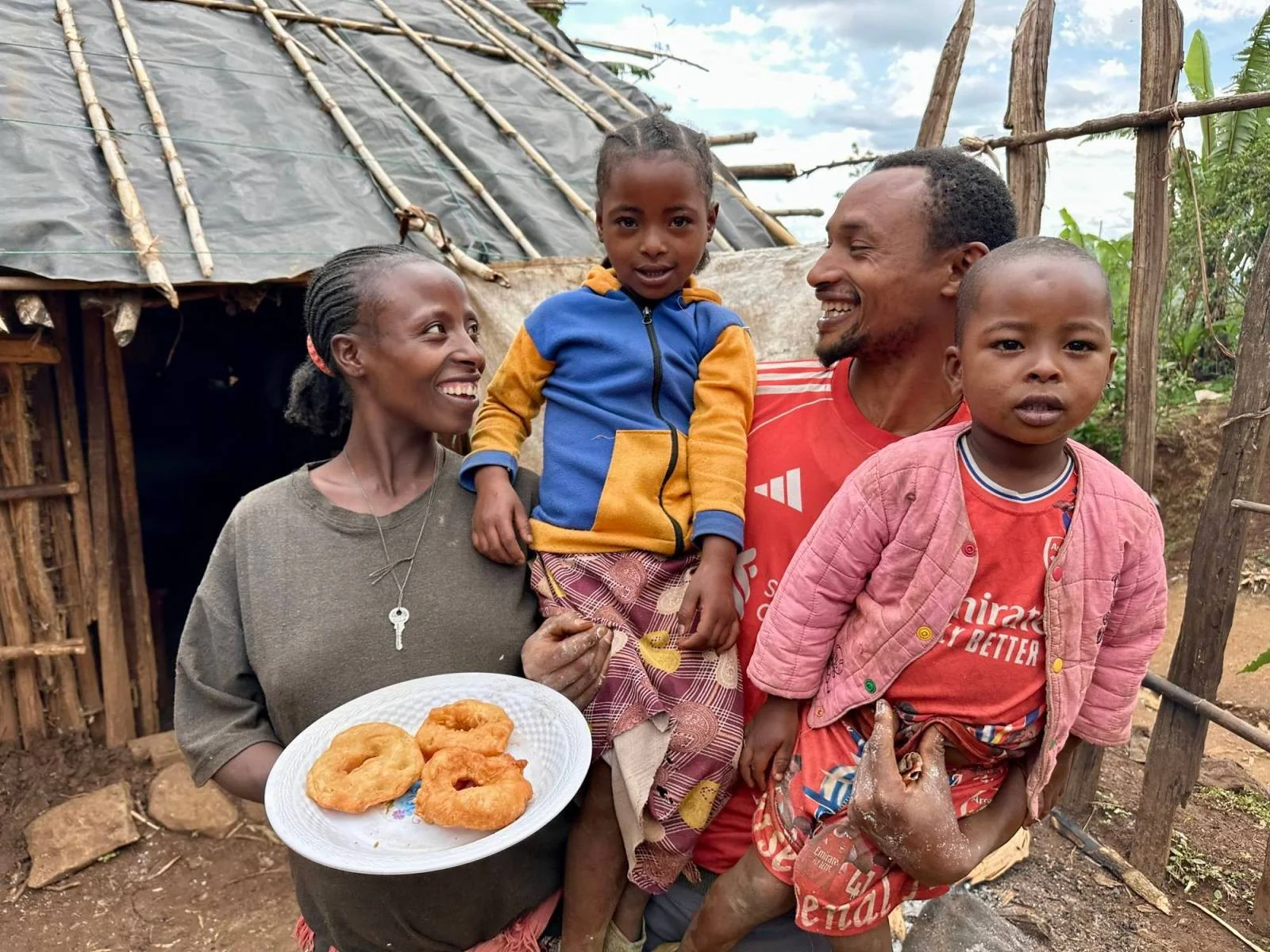
A year ago, Wude and Sisay recounted days when even their children had nothing to eat. Today, they bake hundreds of doughnuts every morning, earning many times the wages of a day laborer. But instead of improving their home, they continue to invest.
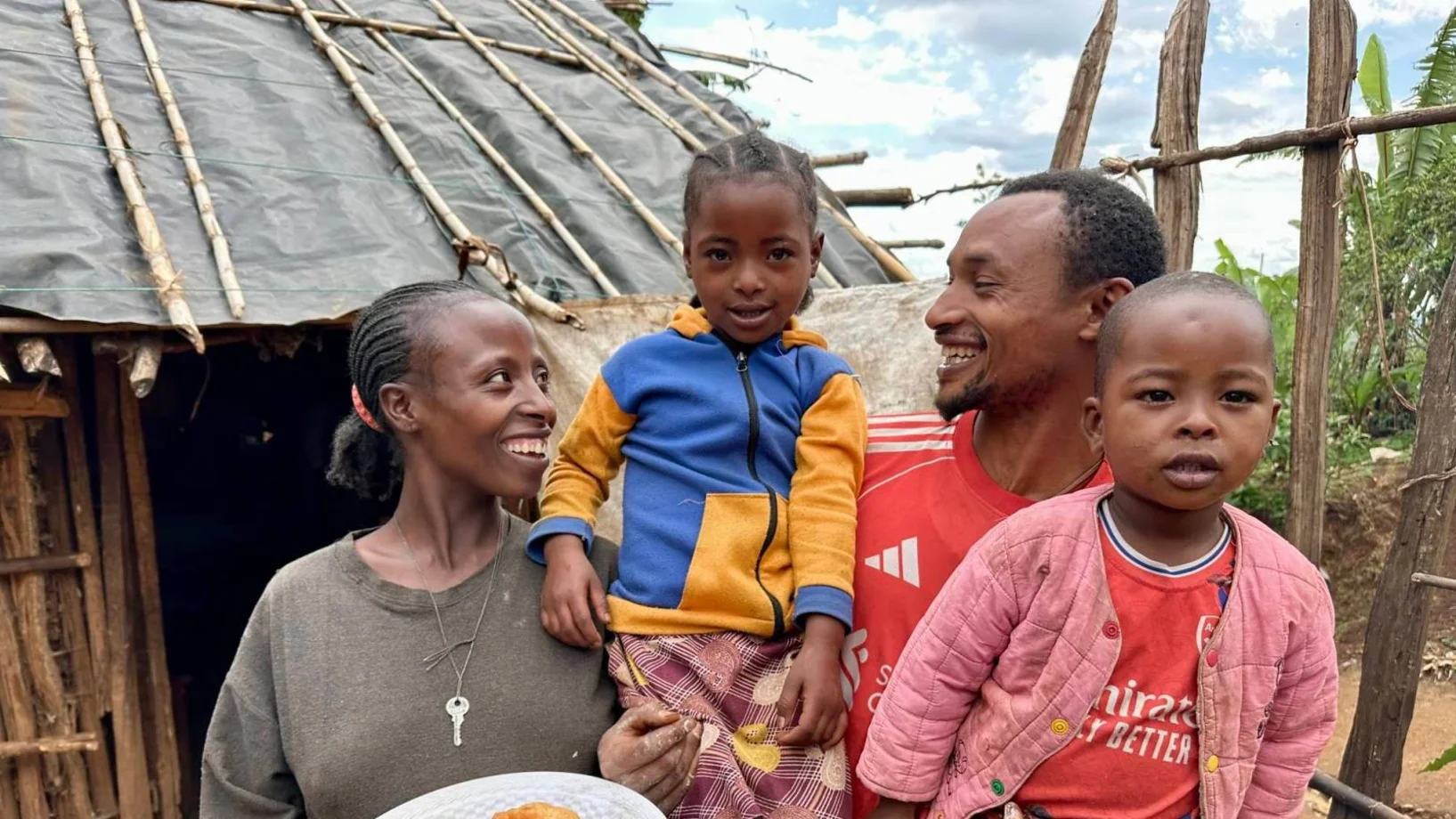
The old Nokia phone vibrates. It's pitch black, two and a half hours before sunrise. Sleepily, Sisay Beraso and his wife Wude rise from their straw mattresses. They are quiet so as not to wake their two children. Sisay lights dry plant stalks; the flames sparsely illuminate the hut. The walls are made of wooden poles covered with cracked clay. The roof: a wooden frame under a plastic tarp. The frame is black with soot.
Little has changed in the house since our last visit a year ago . When asked what her biggest problem was, Wude said at the time: "We have absolutely no money. That holds us back from everything." Because all their income went towards food, the family couldn't invest in their future.
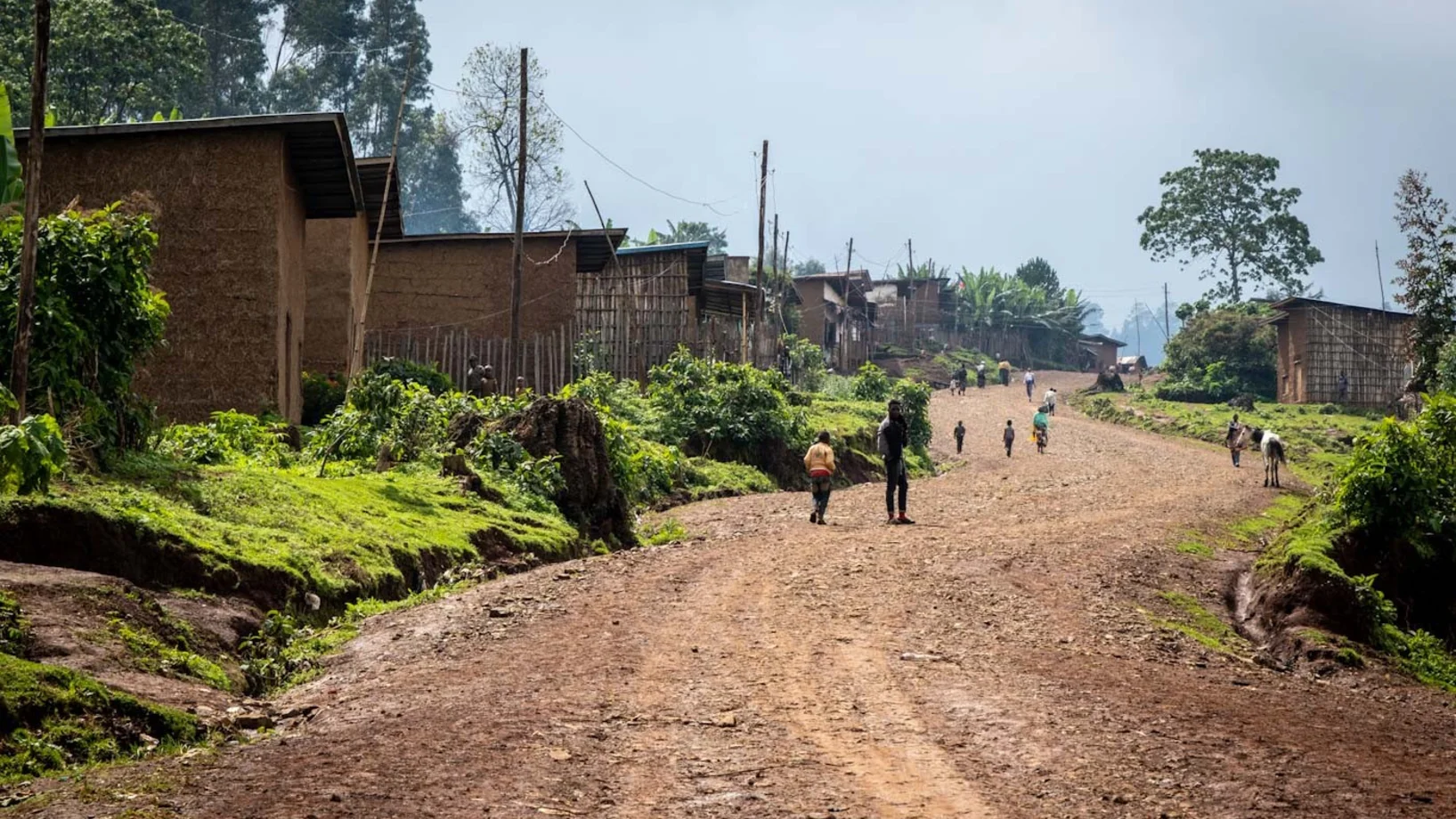
But one item in the house is new: a large, tin pan. Sisay places it on the fire. As the oil bubbles, Wude slides rings of dough into it. With a sizzle and a crackle, the pale rings puff up and turn golden brown: crispy bombolinis. Through the cracks and holes in the clay walls, the aroma of the yeast dough fritters wafts out into the village of Halemo in the Raphe district of southern Ethiopia.


The house hasn't changed, but the young couple's demeanor has. They no longer seem insecure and hesitant as they did a year ago, but rather self-assured and confident.
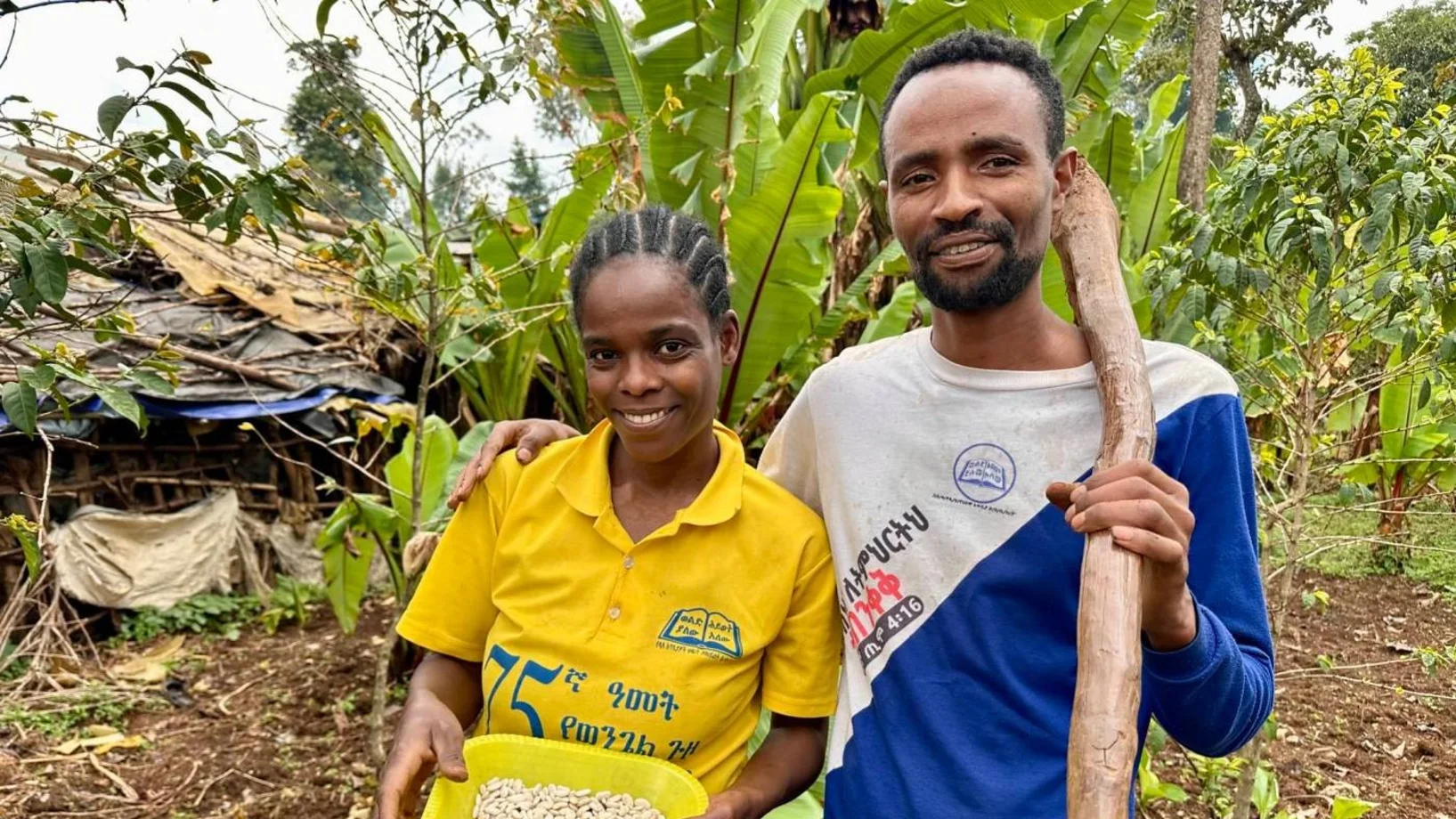
Wude and Sisay met at the local church, the village's religious and social hub. "When I first saw her, I fell in love immediately," Sisay says. "I've never regretted my decision to marry her." Not even in times of hardship? "No, not a single day." Wude nods. "It's the same for me."
Now they stand together by the fire. With practiced hands, they bake bombolino after bombolino. On an ordinary morning, they produce up to 500. At seven o'clock, the sun having risen half an hour earlier, they are finished.
Sisay delivers the bombolinis to street food stalls and tea houses in the village and the nearby town of Raphe , selling them for the equivalent of five cents each. After deducting the costs for firewood, wheat flour, and cooking oil, the couple earns the equivalent of about four and a half francs a day. That's four to five times what a farm worker earns.


The start was made possible by Wude's membership in the new savings and loan group initiated by Menschen für Menschen in Halemo. There, the women learn how to build and run a small business. They save together and gain access to microloans. Wude's first loan was the equivalent of 40 Swiss francs. With it, she and Sisay bought the pan, an initial supply of flour, and oil.
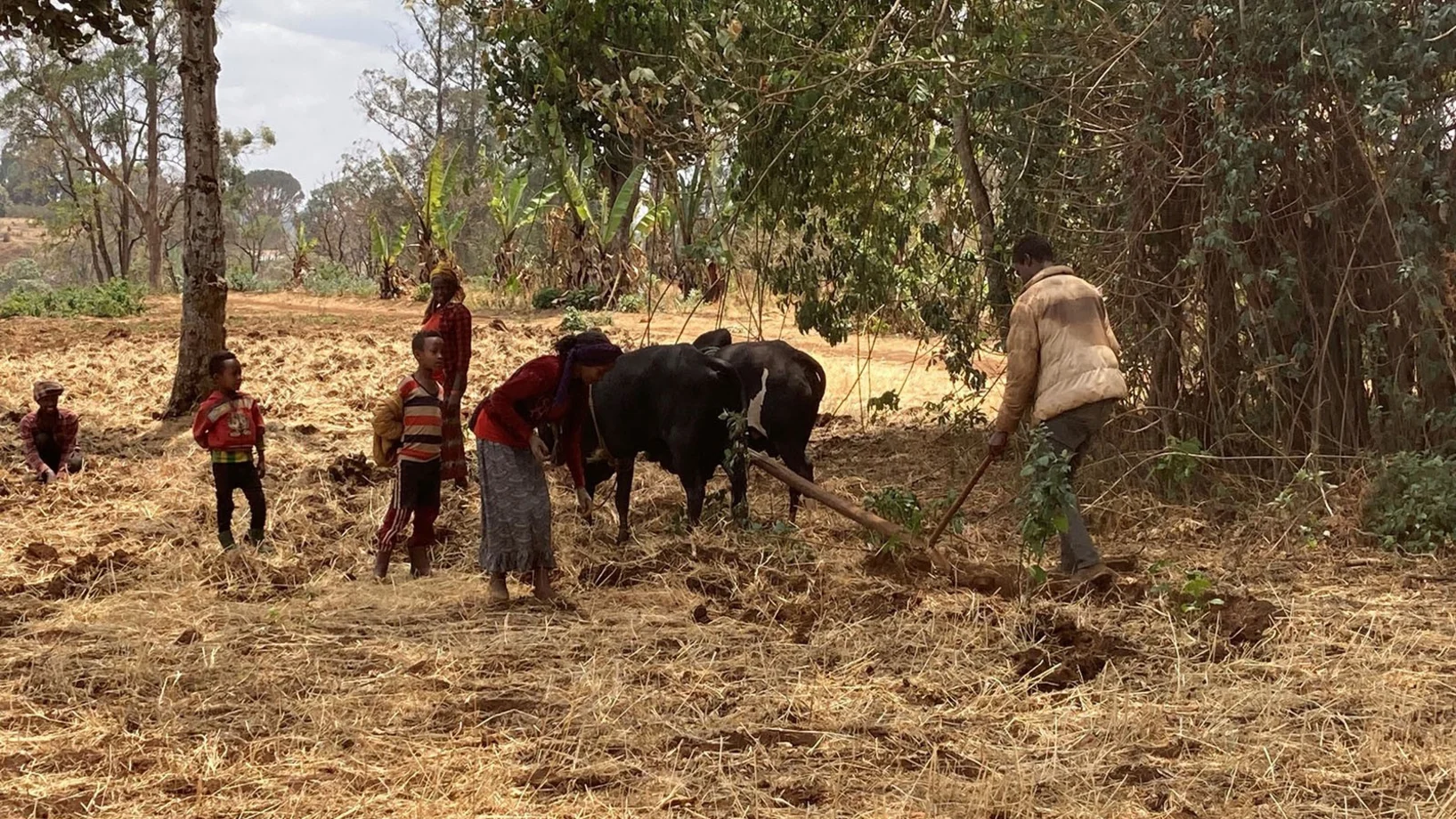
Over the weeks and months, the couple expanded their baking business. And instead of spending the profits, Wude and Sisay reinvested them. For the equivalent of around 140 Swiss francs, they bought three sheep. Two ewes have since given birth. They invested another 115 francs or so in green coffee beans. About 80 kilograms are stored in a sack in their hut. They plan to sell it when the price is right. "If you had come a little later, I would have already bought an ox," says Sisay. He intends to fatten the animal and later sell it for a profit.
There's no sign of their financial success at their hut. Wude and Sisay still sleep on straw. A plastic tarp still protects the house from the rain. Why are they investing their money in sheep, coffee, and an ox instead of finally improving their home? "We can't do everything at once," says Sisay. "The house is coming step by step."
They've already bought a few pieces of lumber. They're ready and waiting in the cabin. "That will be the frame for the new door."