First ridiculed, then envied: In southern Ethiopia, couples are demonstrating how to divide household chores. This shows that equality brings economic opportunities – and more affection.
“People ask me: Have you become a woman?” says Kipe Tadesse, smiling. “Not just men, but women ask me that question too.”
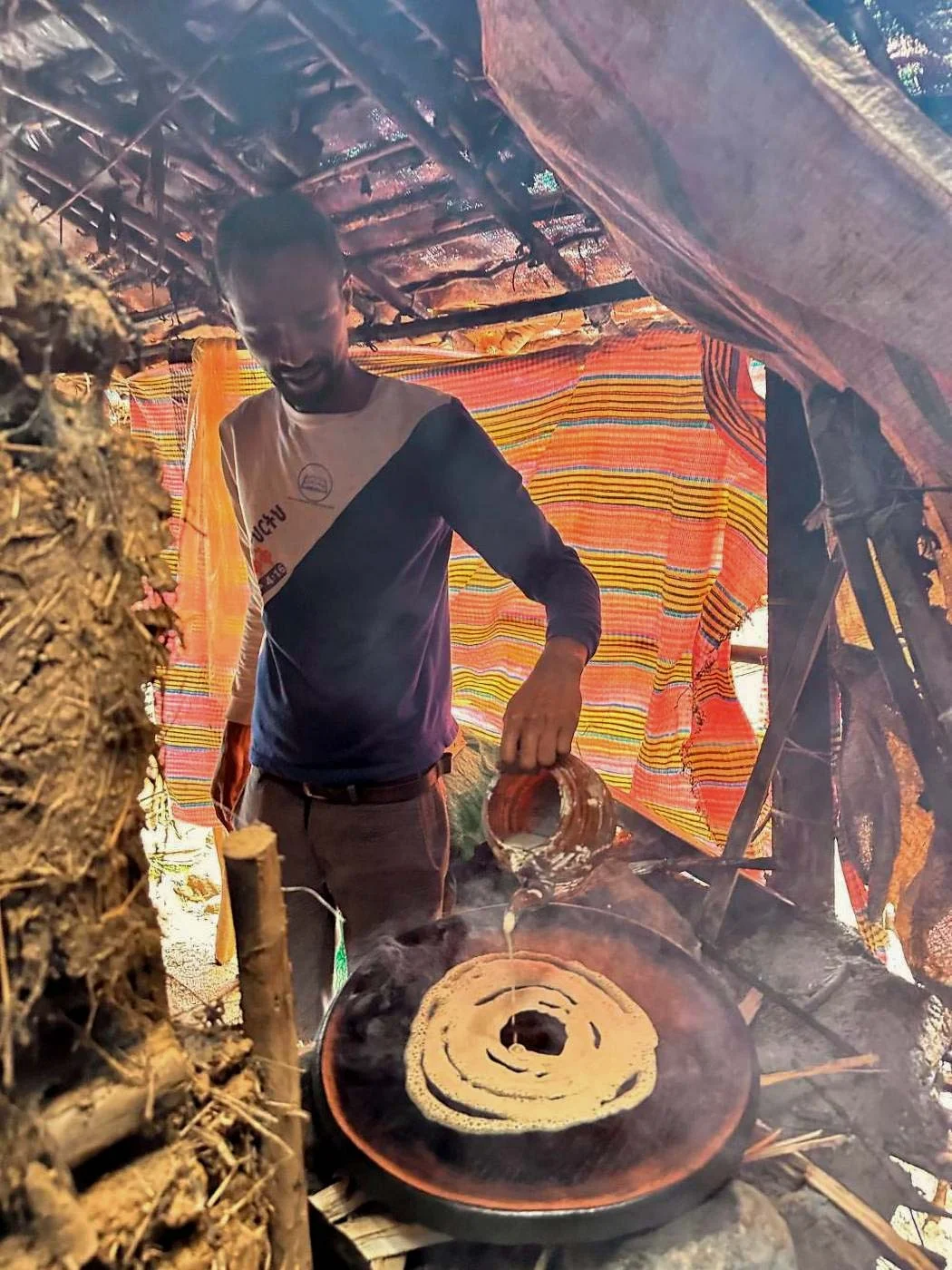
He squints, the smoke from the fire making them water. From a jug, he pours the liquid batter in spirals onto the pan. It sizzles and steams. Two minutes later, Kipe takes the cooked injera, Ethiopia's soft flatbread, out of the pan.
Kipe's fire pit is located in front of his small house, right by the street. Passersby look on in surprise, some even mockingly. "If they laugh at me, I laugh along," says Kipe. "I know that in time they won't laugh anymore."
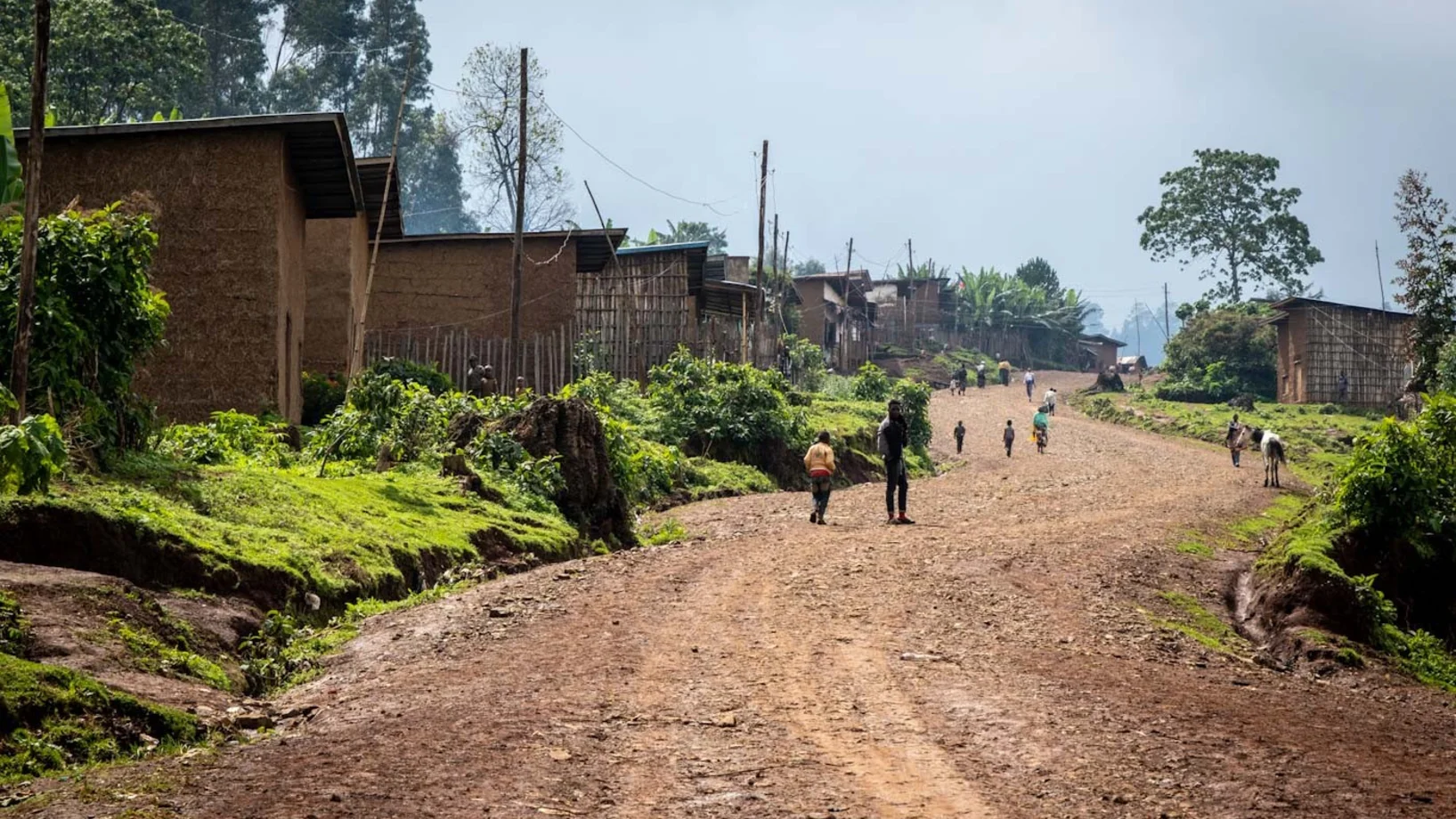
The Raphe district in southern Ethiopia: People live off small-scale farming. But the land is no longer sufficient because families are growing. Almost everyone is experiencing food shortages. As a result, many children are undersized for their age. Contaminated water poses an additional threat.
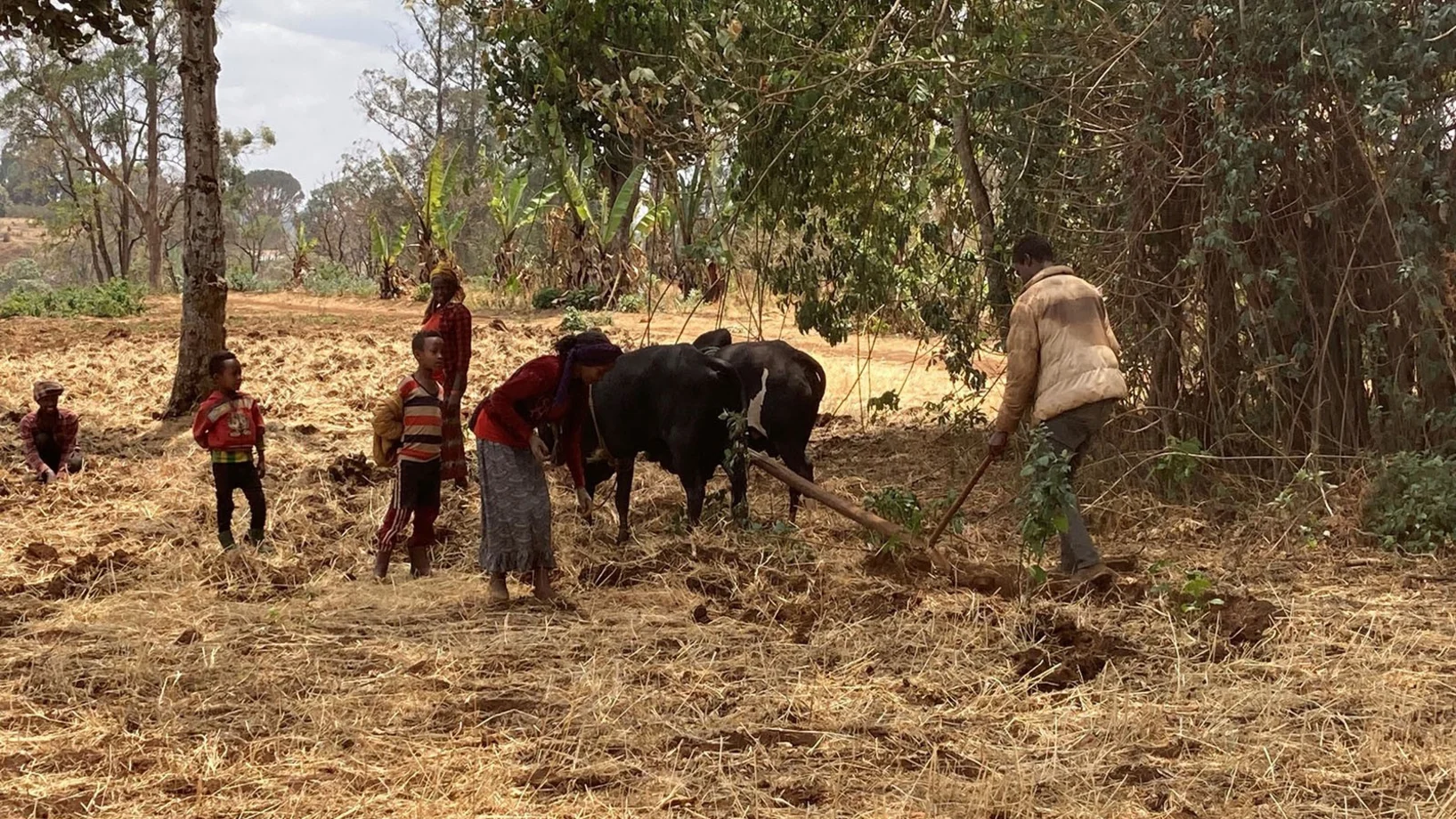
But poverty has another cause: deeply ingrained gender roles. The men work in the fields. The women are solely responsible for the children and the household. Carrying water, gathering wood, making fires, cooking, cleaning, washing – all by hand, without electricity: relentless drudgery from early morning until late at night. The women are unable to develop their creative and economic potential.
Kipe and his wife Tigist's family was no exception. Dirty shoes, dusty trousers? "Cleaning is the women's duty, I thought," Kipe admits. "If a child cried, I would say to Tigist: Take care of it!"
His wife was overwhelmed. "When he gave me instructions, I got angry. There were constant arguments, it was a constant battle," says Tigist. "I am so grateful to Menschen für Menschen that we can now live together differently."
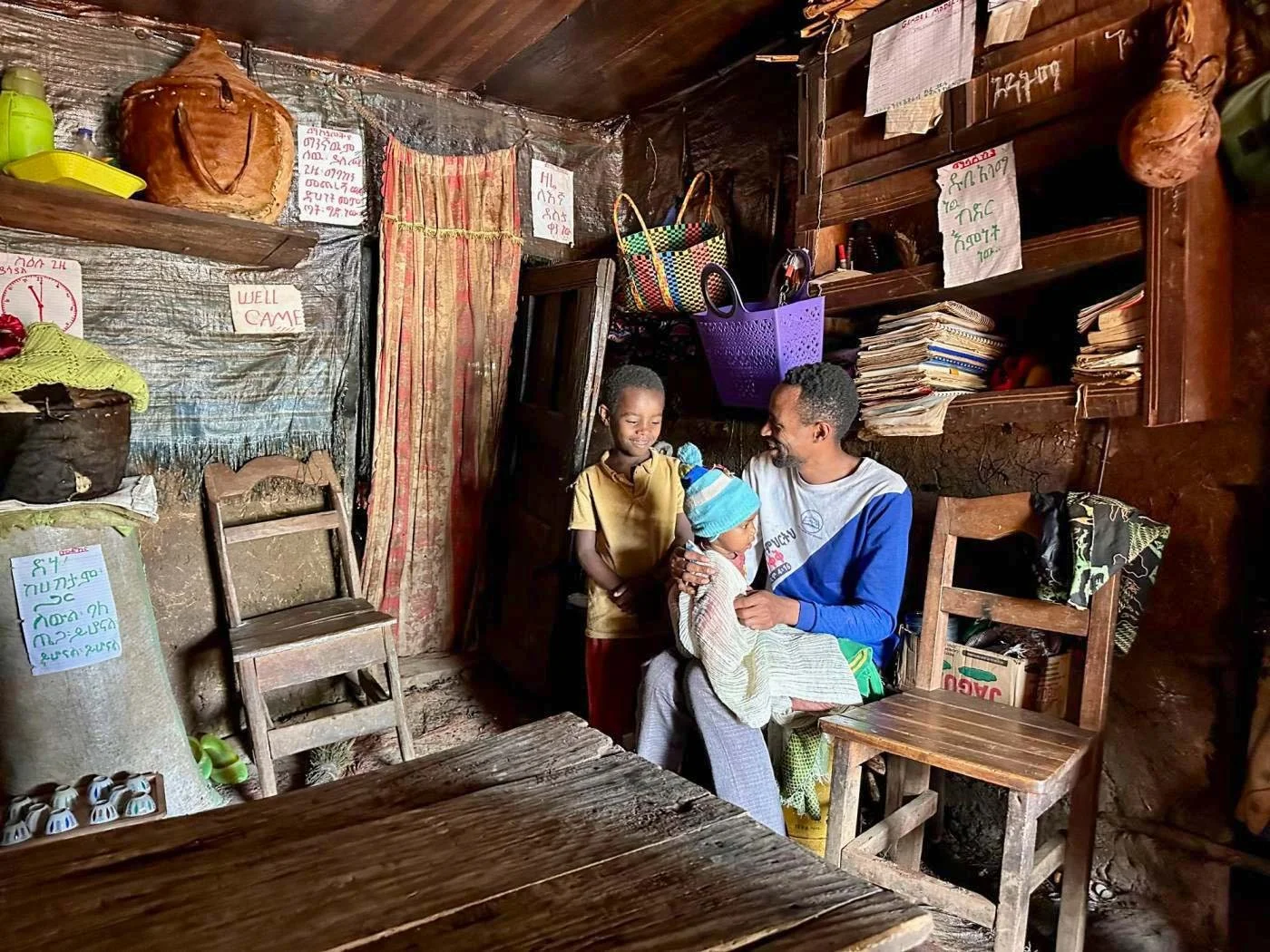
The couple sits on a wooden bench in their small mud house. Kipe holds their seven-month-old daughter, Rohobot, on her lap. Sticky notes with Bible verses and a kind of timetable are attached to the wall: "We're now writing down exactly how we divide the daily tasks," Kipe explains.
The family is participating in a new initiative by Menschen für Menschen. "We show families how to divide housework more fairly and make decisions together," explains equality officer Zemariam Bekele. "This gives girls and women time for education or to earn their own income."
Around 90 families participated in the training sessions. Subsequently, 30 courageous couples decided to stand out in their villages and consistently pursue this ngew path against the prevailing opinion: as role models, they are now to convince other couples.
“We men never thought about what we were burdening our wives with. Now I regret that. Now I understand that we can only move forward together,” says Kipe. The division of labor brings many advantages. “Before, Tigist was always busy and overworked. Now we can have lunch on time and in peace.” There are also financial advantages: “Tigist was able to take on a part-time job as a cook at the elementary school because I look after the children.”
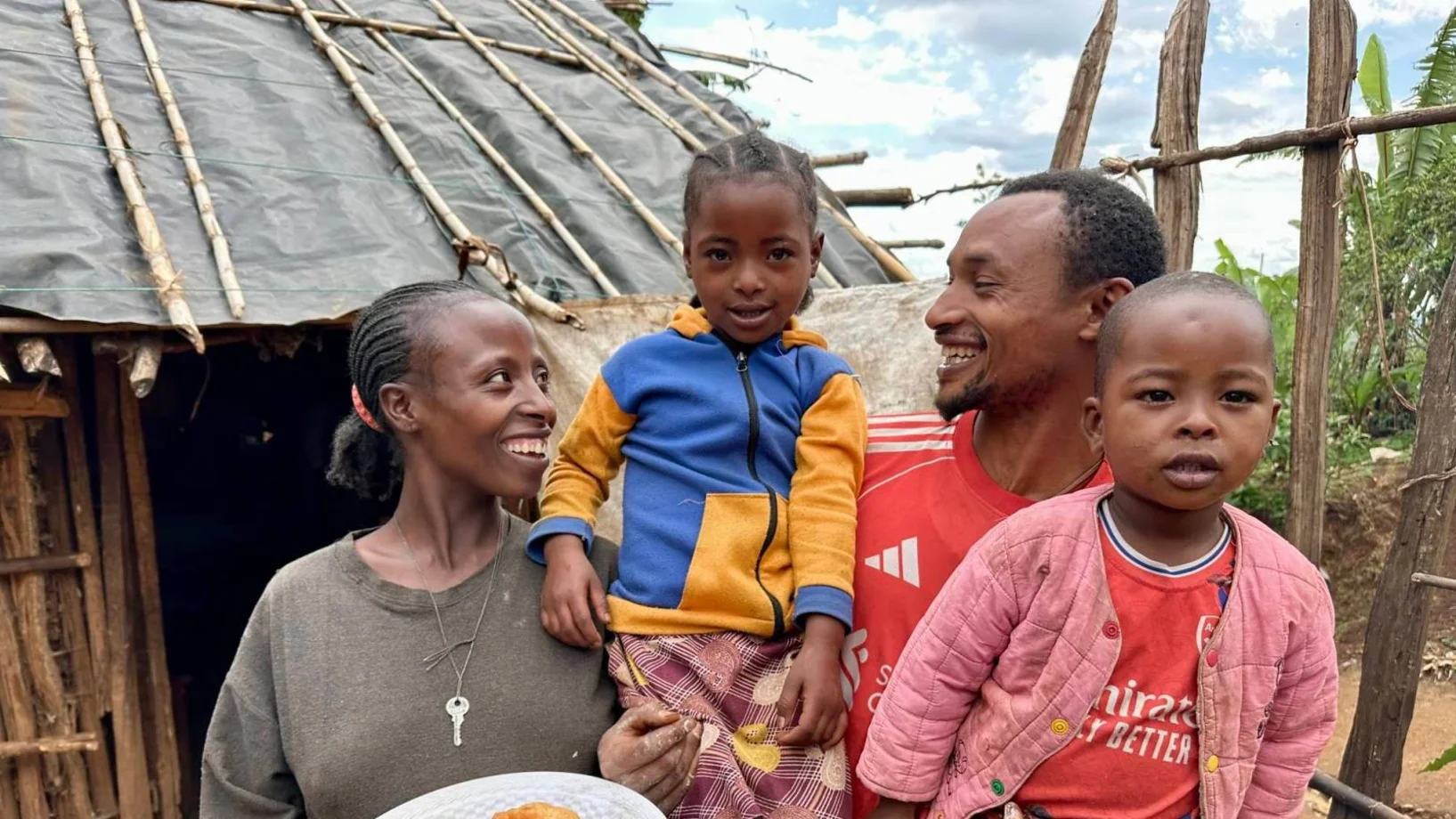
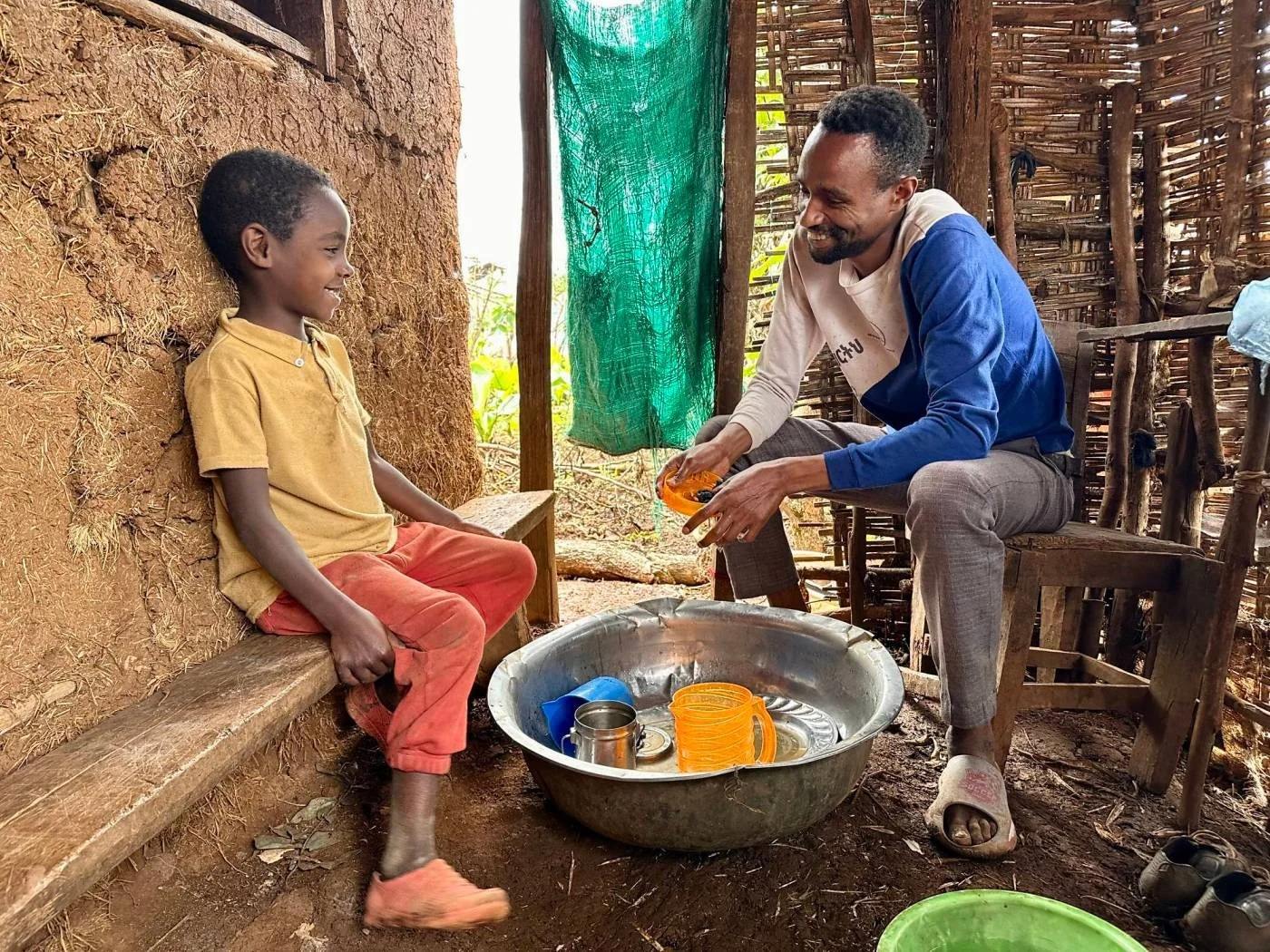
Sometime during the conversation, three-year-old Simon comes home from playing in the street. He leans against his father without a word. Kipe strokes his head and kisses him on the forehead. "I'm much closer to my children now," he says. "There's more peace and love between us," adds Tigist. "We hardly ever argue anymore."
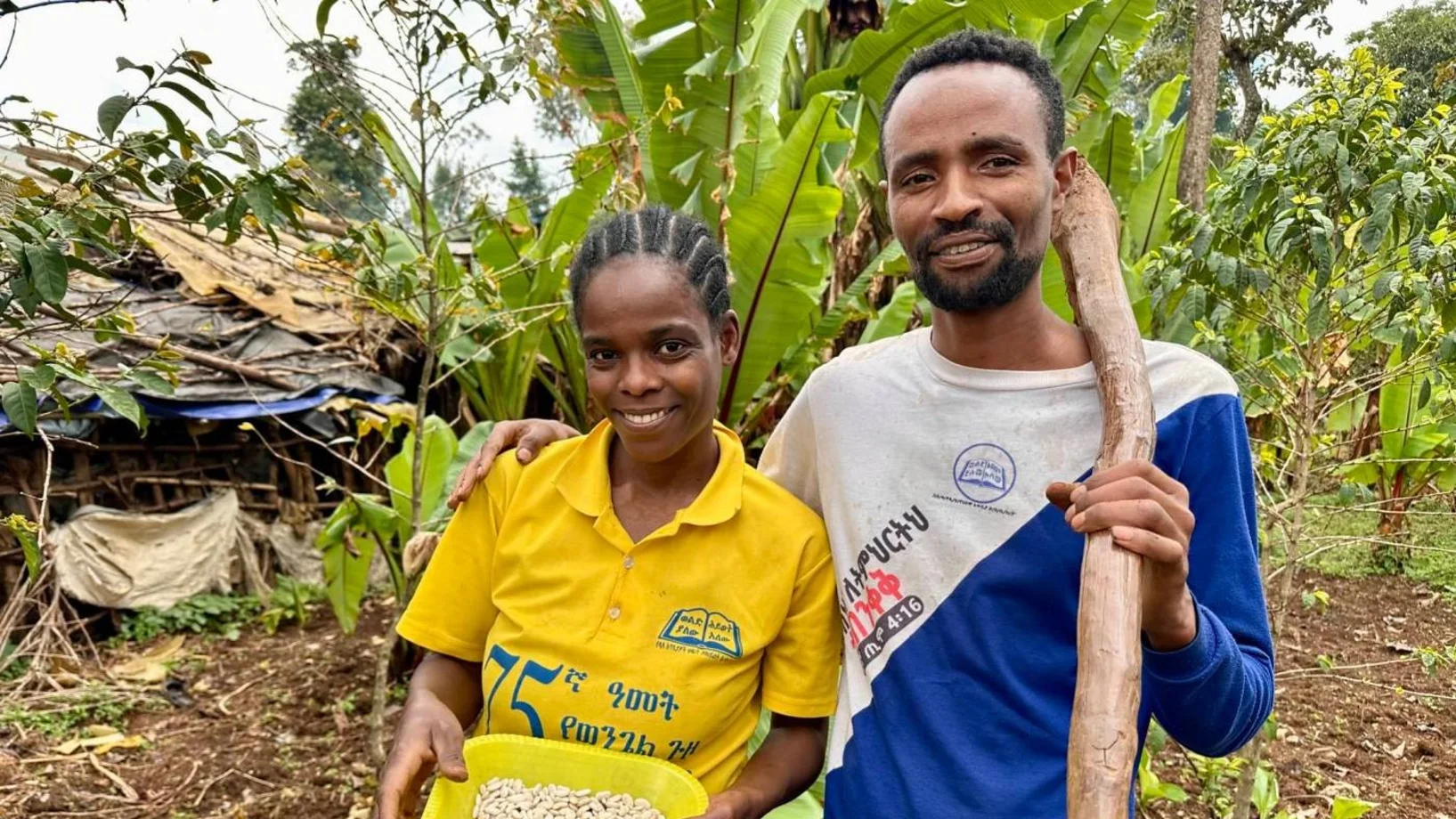
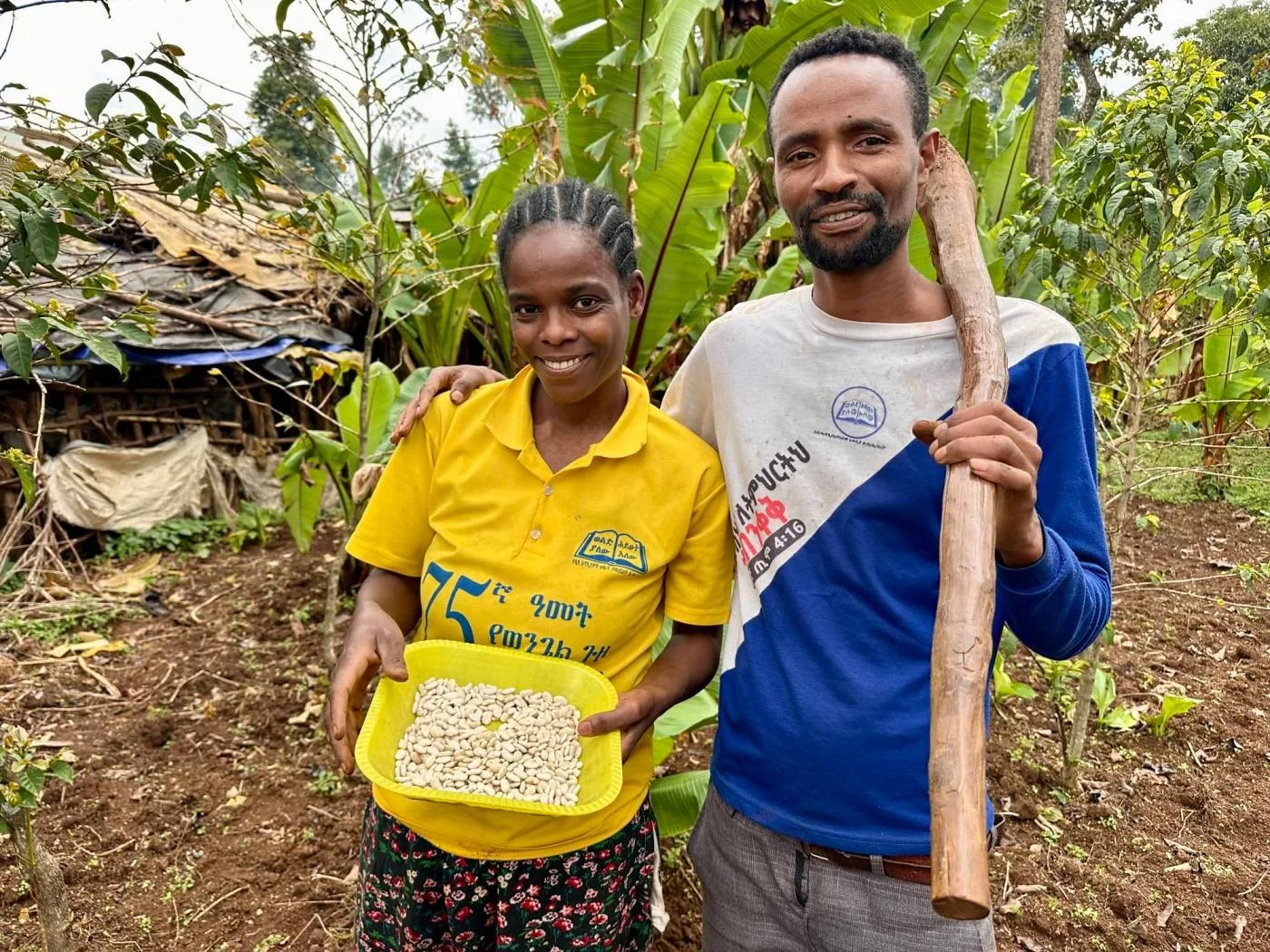
Behind the house they have a small field with coffee bushes, and they plant beans in between. "Of course I help him there, for example with sowing and weeding," says Tigist. "I used to think that was men's work."
Kipe proceeded step by step. At first, he only brewed coffee. Then he started baking flatbread. Finally, he also spoke about his transformation to the young couples in his church community. "I was one of those who shook their heads and laughed at him," says Melkamu Ayele, 30. "But after a while, I became envious."
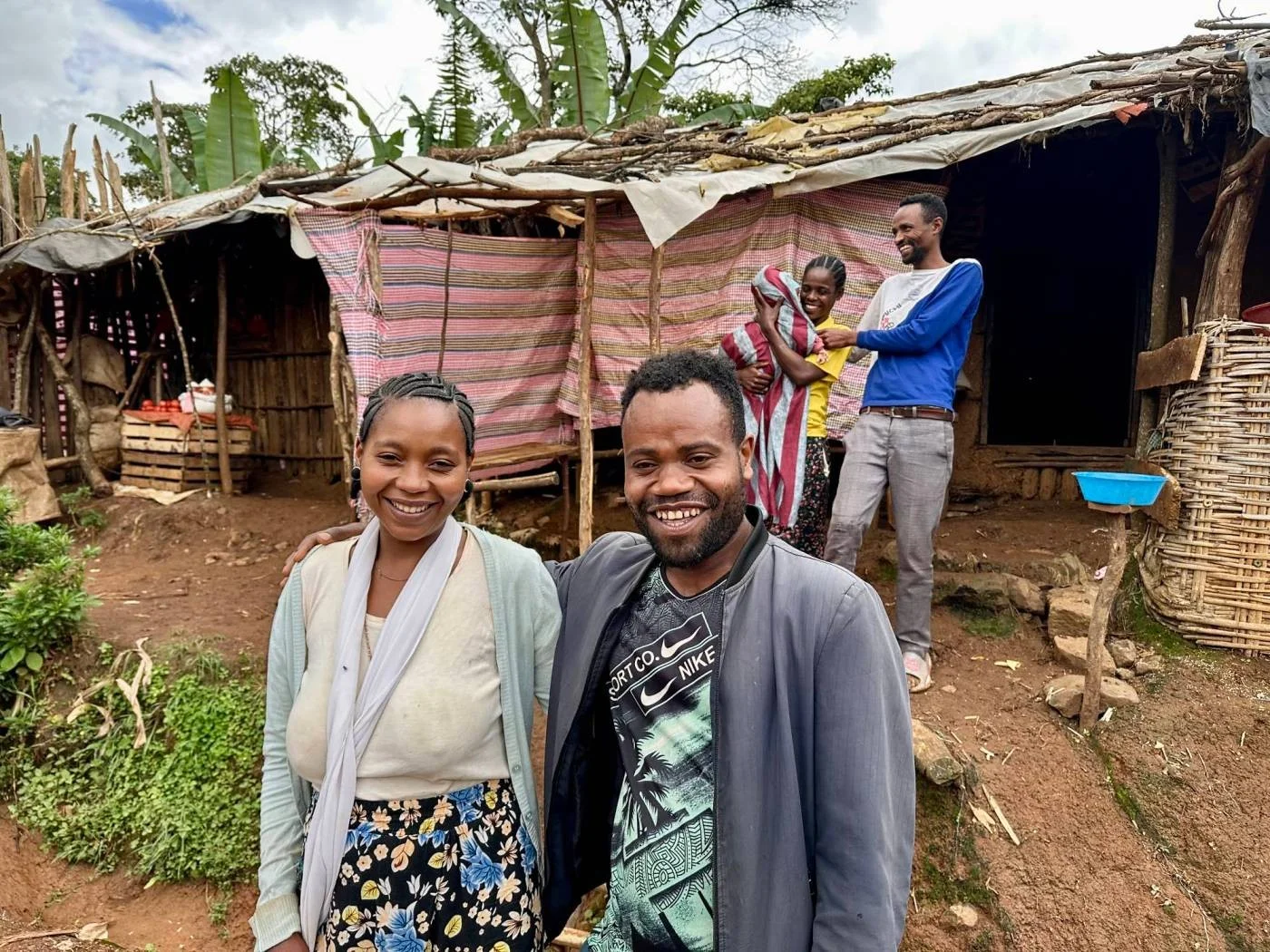
Melkamu is a neighbor and one of Kipe's best friends. During a visit, he observed how Kipe and Tigist interacted. "Different than before. They respected each other, and the love between them was palpable," Melkamu recounts. "When I arrived home, I saw my wife was swamped. I started sweeping – after I'd closed the front door." The next day, he washed the coffee cups. Then he went to his friend Kipe and said, "Tell me everything about how you two do it."
Today, Melkamu and his wife Nebret also share the household chores. She uses the time she gains to earn her own money. With a microloan from the savings and loan group initiated by Menschen für Menschen, she trades beans.
Kipe's wife is also in the savings group. With a microloan, Tigist sells injera on the street. Together, the couple is making further plans. "We want to bake in larger quantities and offer injera for weddings," says Tigist. Later, they would also like to trade in coffee. "We want to give our children a better life. They should go to grammar school," says Kipe.
And should the family grow further? "Maybe another child," Kipe muses. "I disagree," Tigist says firmly. "Our lives need to improve. So we shouldn't be thinking about another child."
WHY WE HELP
Raphe is an especially poor district in southern Ethiopia. Most families own only tiny plots of land. Nine out of ten families do not have enough to eat year-round. The children are chronically malnourished. Added to this is the traditional disadvantage faced by women, who bear the entire burden of housework and childcare. As a result, they lack the time to develop their talents and skills and earn their own income.
WHAT WE DO
Menschen für Menschen supports smallholder farming families in producing more food and increasing their income. Our agronomists show them how to grow vegetables for the market or earn money through small-scale livestock farming and retail trade. In cooperative self-help groups, families save together and gain access to microloans. A key focus is gender equality. In training sessions, couples learn to share housework and responsibilities more equitably, make financial decisions together, and better manage their time. Families who take this path become role models. Neighbors see their lives improving and follow their example. Family planning is also part of the program. Volunteer counselors provide information about available options. At the same time, Menschen für Menschen provides contraceptives to health clinics. This allows couples to decide for themselves how many children they want to have.
WHAT WE ACHIEVE
Our goal is for 3,600 particularly poor families to permanently free themselves from hunger and poverty. They should be able to produce enough food, generate a reliable income, and provide their children with a good future in their home villages.