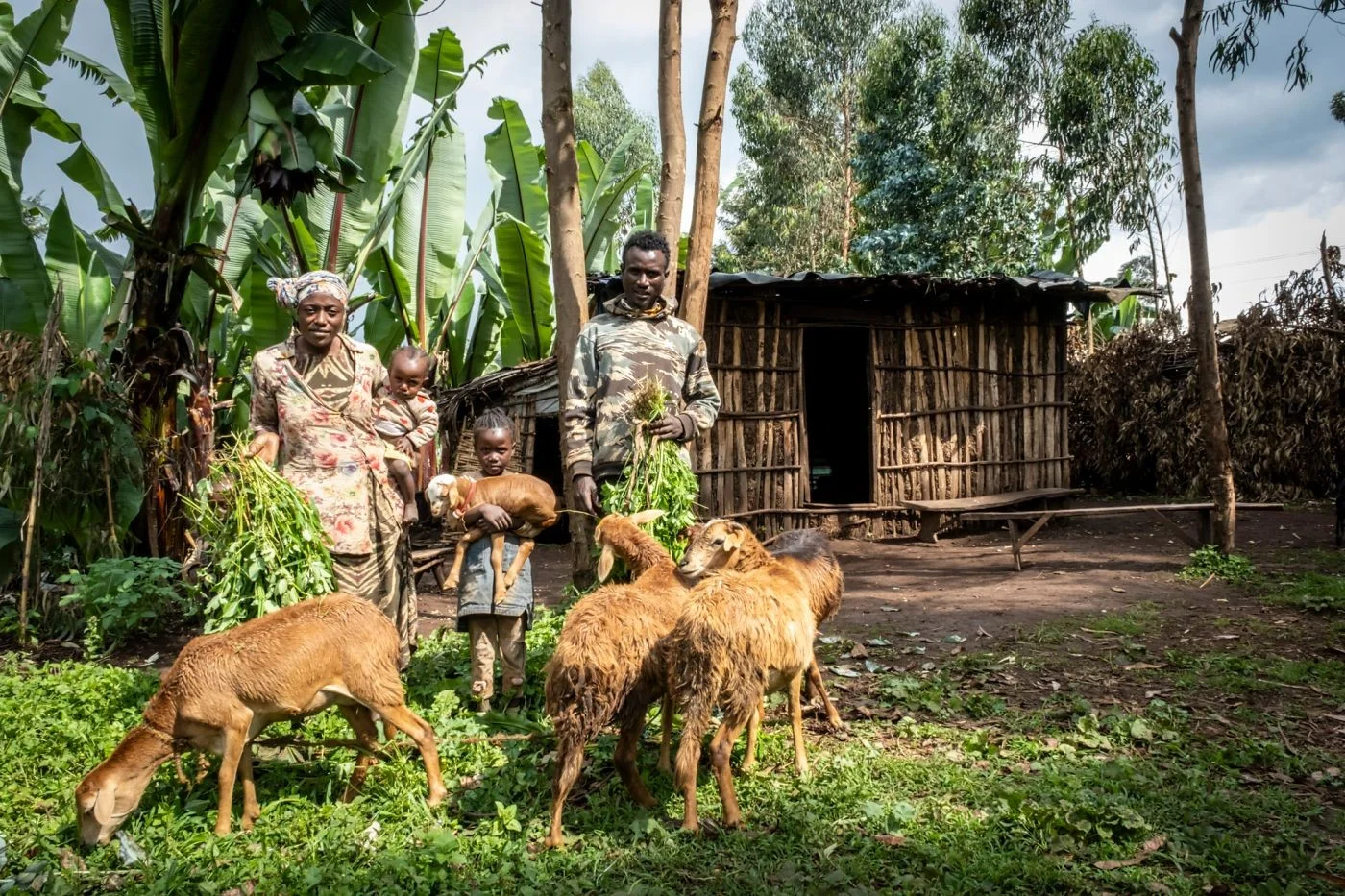
Esatu Dugo and his wife Gadise Hotesa's family is still desperately poor. But sheep offer a future.
The starting point:
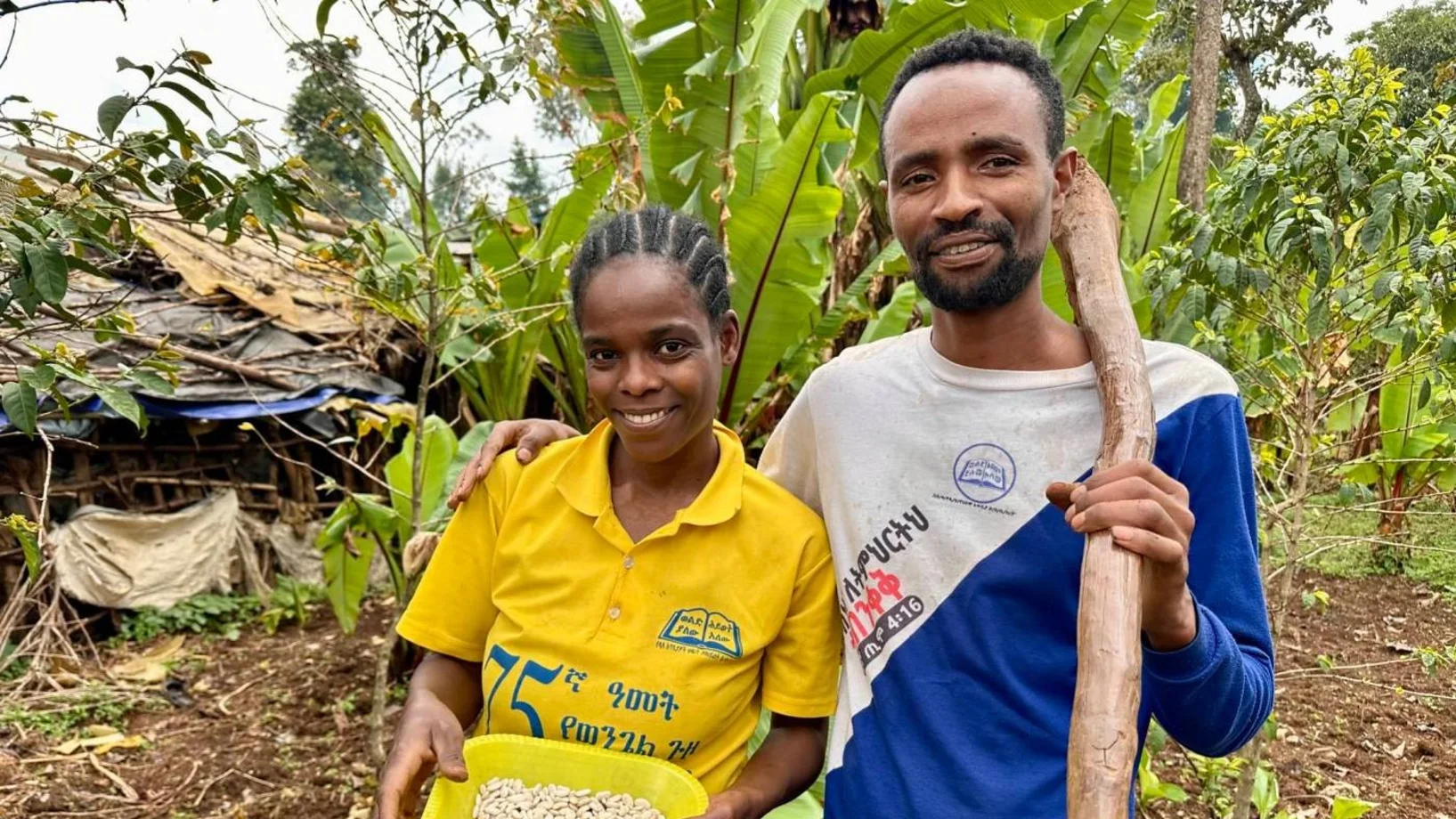
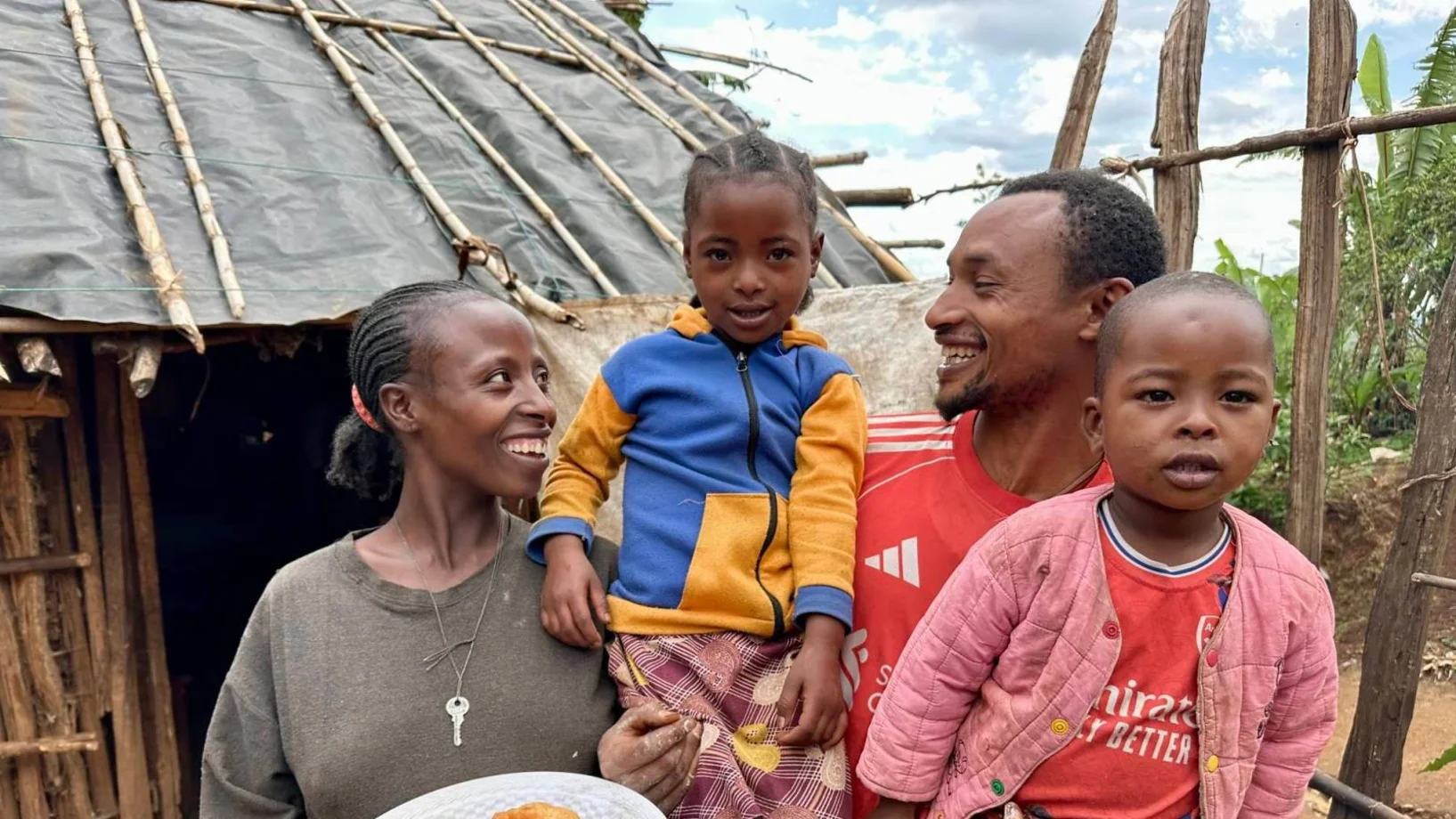
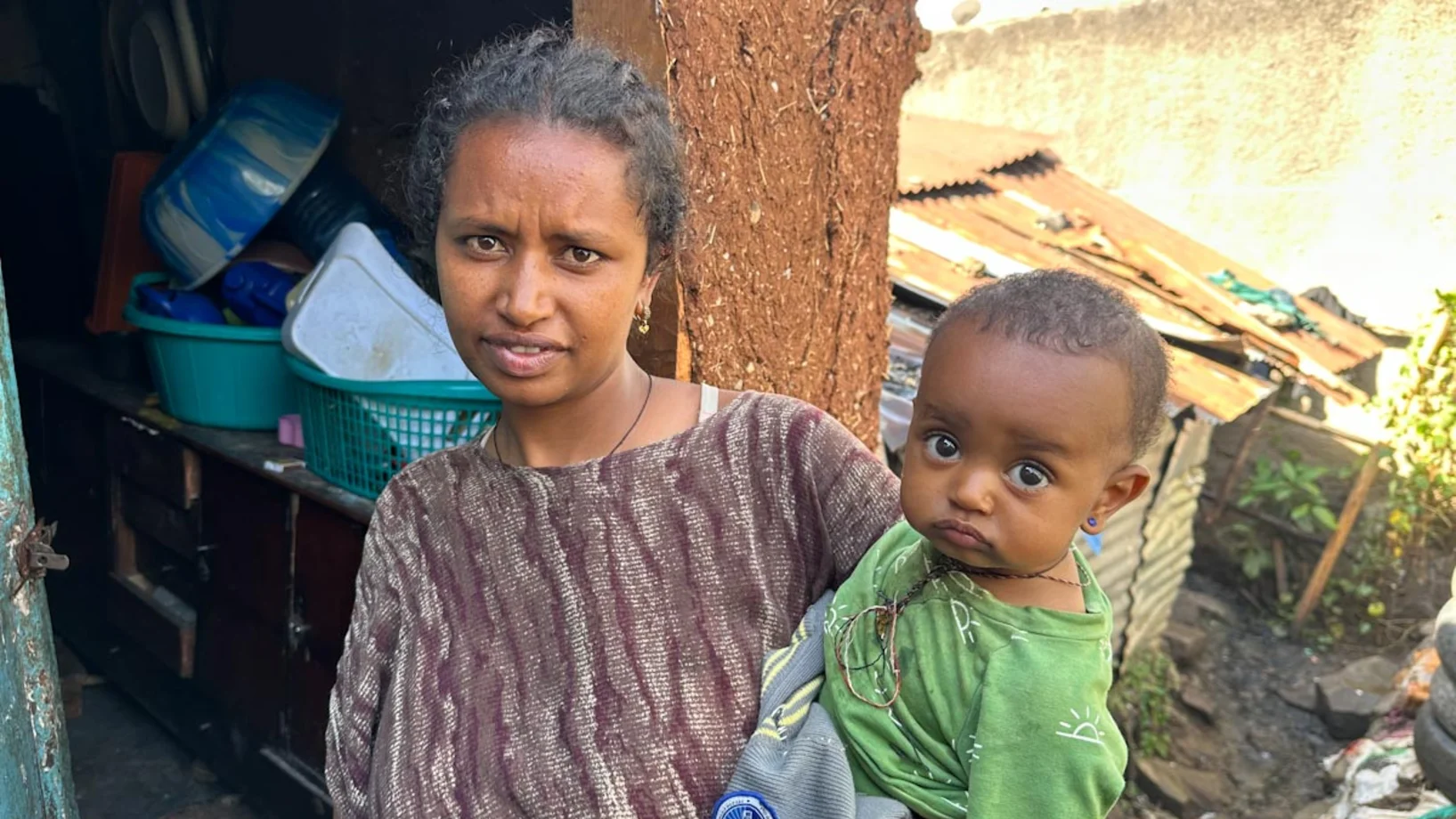
It's 2 p.m., and there was no lunch today. "We often have to skip meals," says Esatu Dugo. He and his wife, Gadise Hotesa, live with their three daughters in the village of Dimtu Hambela. Esatu is a day laborer. He plasters mud walls, cuts grass in coffee gardens, or picks coffee cherries. He earns the equivalent of about one Swiss franc a day. But often he only finds work once a week. For breakfast, the family ate roasted barley with coffee; in the evening, they plan to have bread with some cabbage.


How we help:
Menschen für Menschen supports particularly poor, landless families with advice and small livestock. Esatu and Gadise received four robust ewes. One lamb has already been born, and the other animals are pregnant.
This is how the help works:
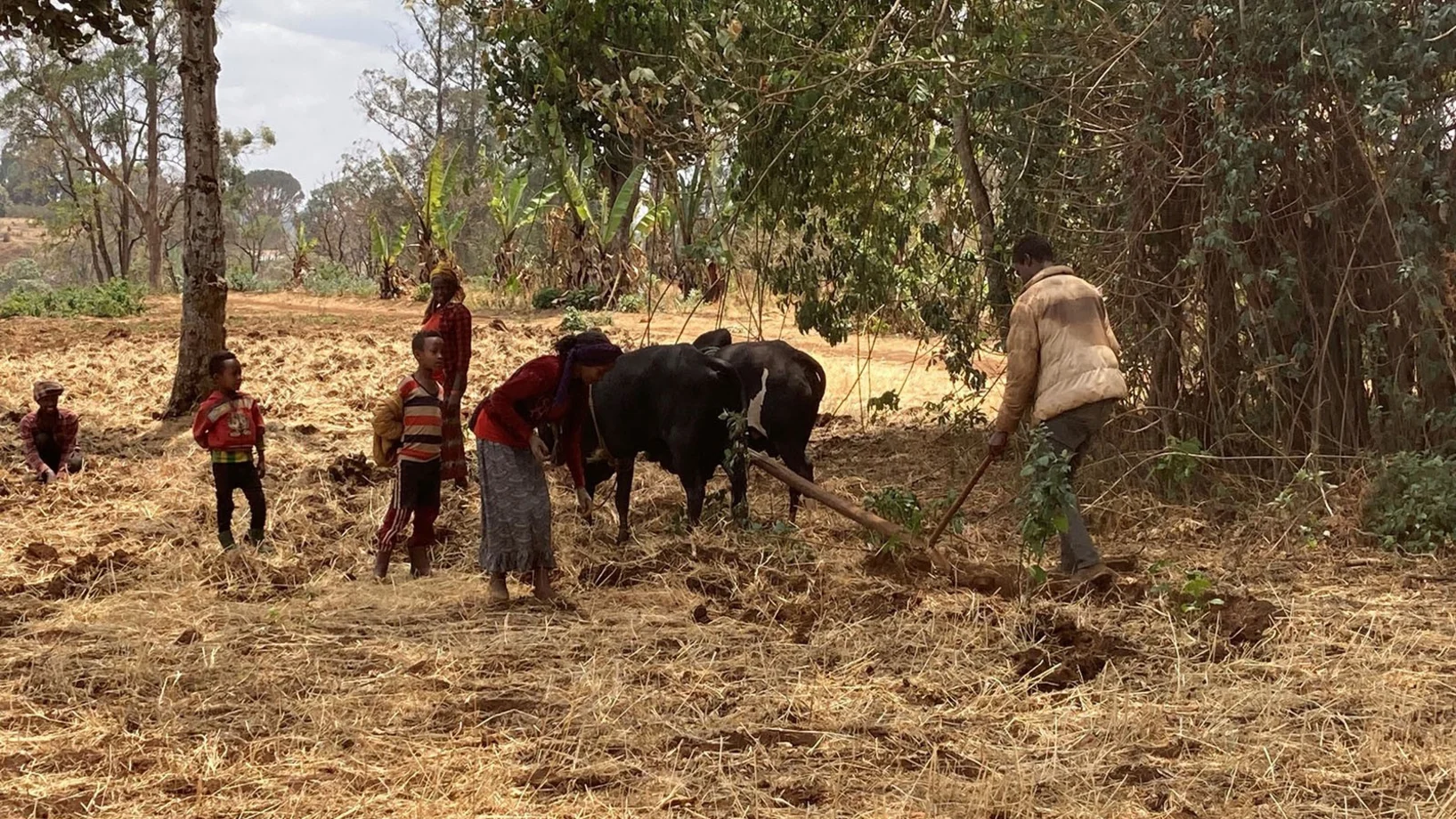
The family still sleeps on straw sacks, not mattresses. Their meager capital isn't meant for comfort, but for building a livelihood. "I work hard. I want to lease land," says Esatu. The sheep are key: lambs can be sold after four to five months, older animals fetch high prices, even more so on holidays. Their second goal is enough food. Only then will the family improve their house: a tin roof instead of the flimsy plastic sheeting. Gadise is also making plans: she's a member of a savings cooperative and wants to trade tomatoes with a microloan. Both are looking to the future. Gadise says, "Soon things will be better for us." And Esatu emphasizes, "Thank you. But I don't want to ask for more help. Help our neighbors; they need it even more!"


Microcredits for sheep
For many day laborers, livestock farming is one of the few ways to generate capital and build a livelihood. We enable 350 families in the district to each receive three to four sheep on the basis of a fair microcredit.