Zurich/Raphe, March 27, 2026 - The war in the Middle East is affecting oil prices worldwide. The supply situation in Africa is becoming critical. This is particularly dramatic in Ethiopia, which is dependent on imports. At many petrol stations in the country, queues stretch for miles, and in many places there are no sales at all. The fuel shortage is hitting the poorest people particularly hard.
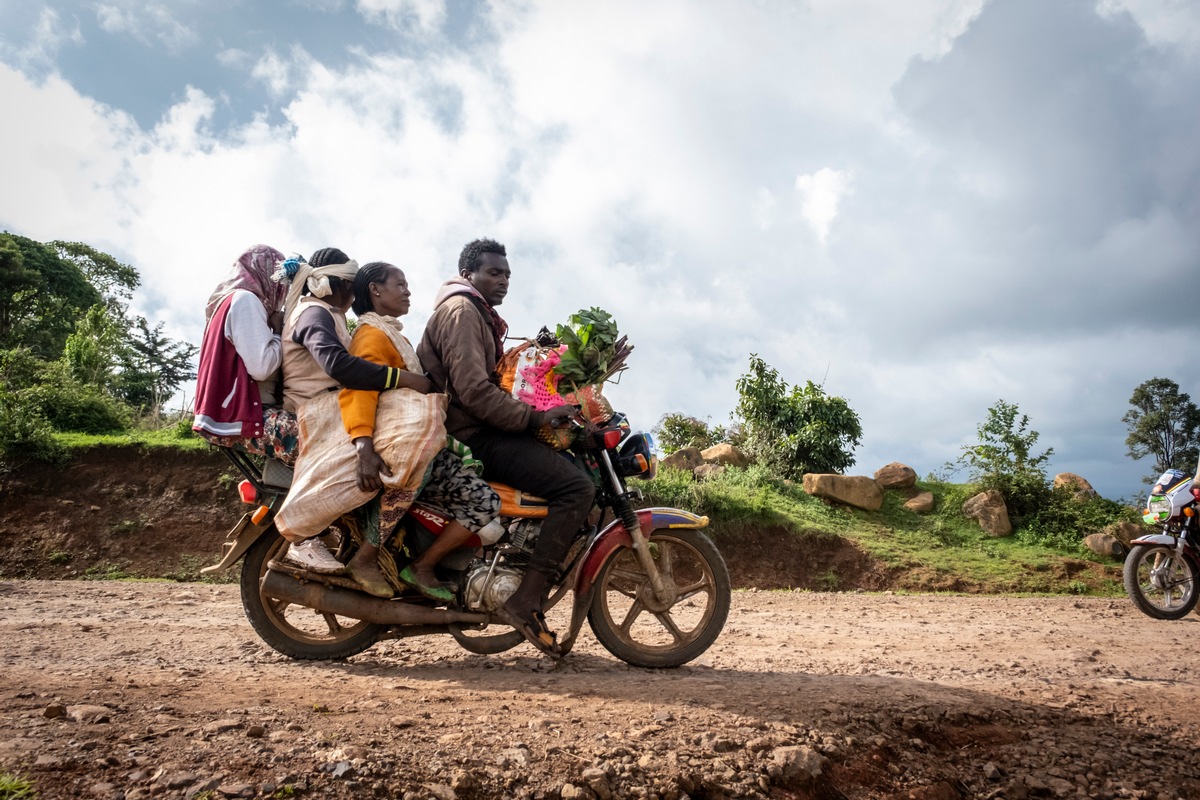
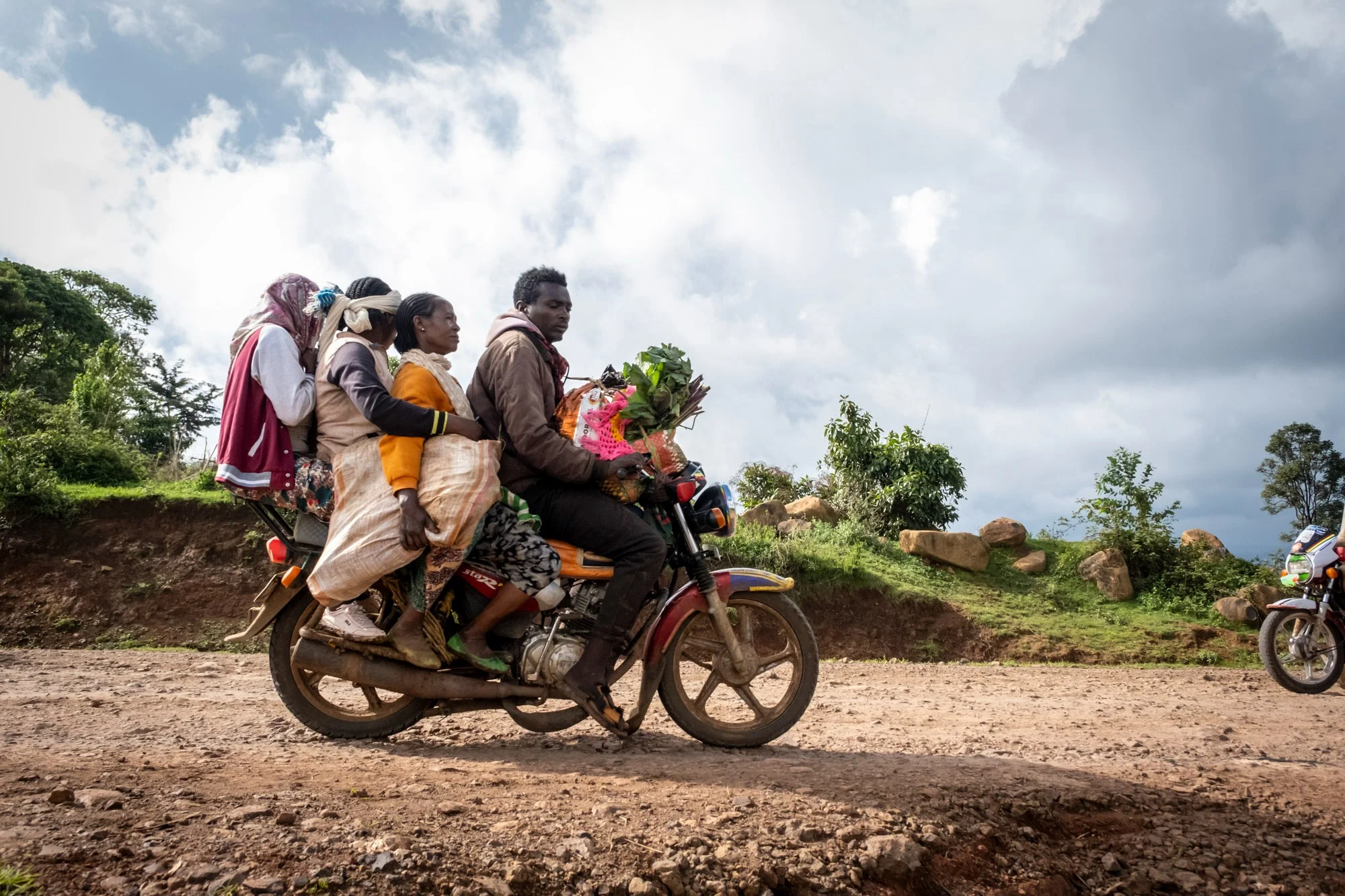
Children are sitting by the roadside in the Raphe district of southern Ethiopia. On small tables in front of them are water bottles filled with a yellowish liquid: the children are selling petrol to motorcyclists. Their motorcycles may only have a small engine capacity, but they ensure local traffic and the transportation of agricultural produce. The vehicles are often the only link between remote hamlets and the markets.
A liter of petrol used to cost around 130 Birr (0.66 Swiss francs) at official petrol stations. On the black market, the price was around 200 birr. According to local observations, it has risen to 350 birr (1.77 francs) in the past few days - an increase of around 75 percent. By comparison, the daily wage of an unskilled worker in Raphe is currently around 300 birr (1.52 francs).
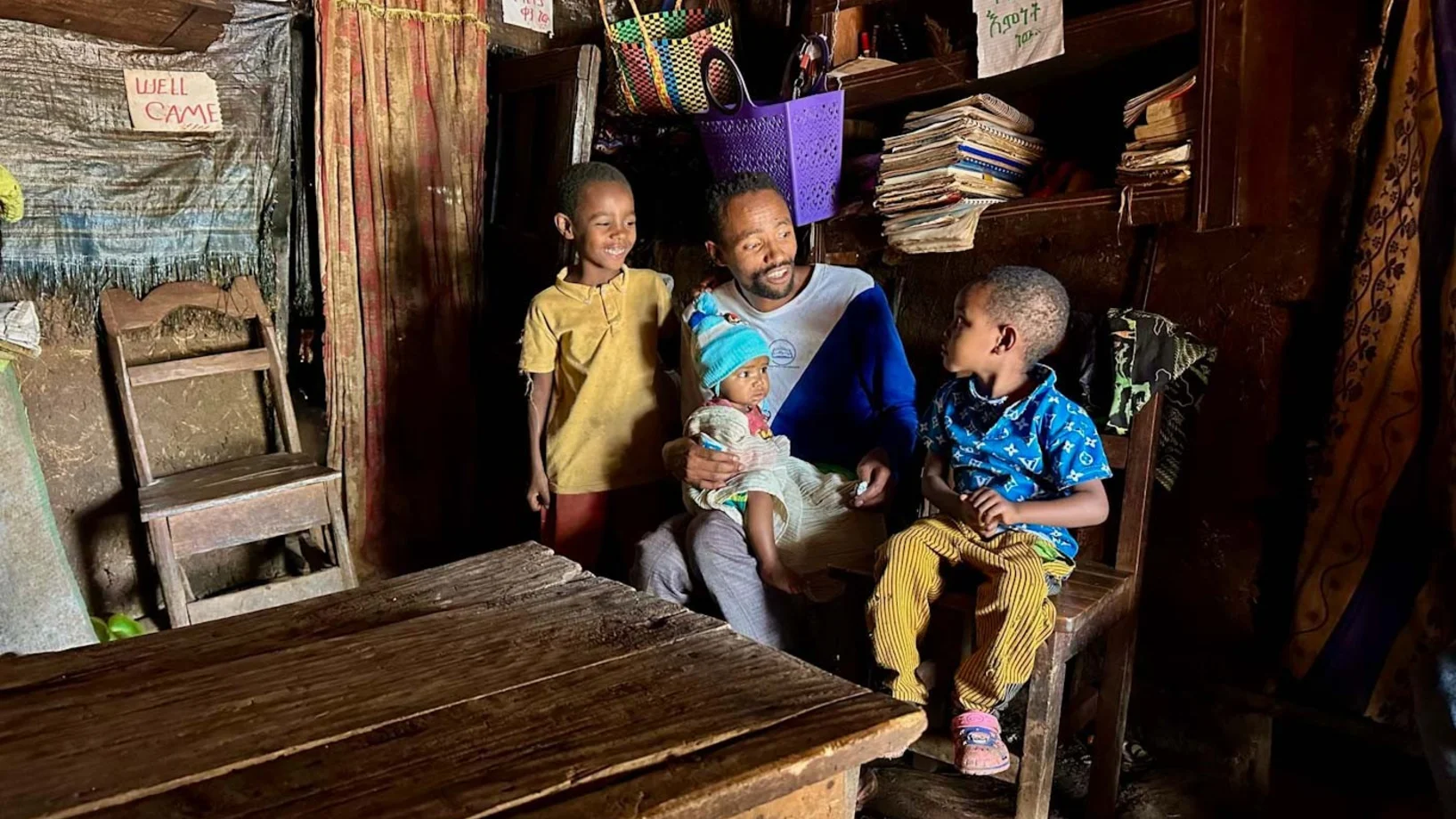
"The motorcyclists have to pass on the fuel prices to the customers," says Getachew Zewdu, country representative of Menschen für Menschen. The Swiss foundation has been running a major development project in the Raphe district since 2025. Nine out of ten families do not have enough to eat all year round. They reduce their portions and skip meals. A baseline study commissioned by Menschen für Menschen showed that the months from May to September are particularly critical. During this time, most families struggle with food shortages. Rising transportation costs increase the prices of basic foodstuffs and everyday necessities even further. This means that people's food rations become even smaller.
Fuel is the largest import item
Ethiopia is a landlocked country. Almost all diesel and petrol enters the country via the port of Djibouti. Fuel is the country's largest import item and accounts for around a quarter of total import expenditure - at an estimated 4.2 billion US dollars per year. In view of the situation, Prime Minister Abiy Ahmed called on the population to use fuel sparingly. At the same time, the authorities announced that the available quantities would be prioritized for systemically important areas. There are considerable restrictions for other users,
The project work of Menschen für Menschen is also affected. In the city of Dilla and in the regional capital Hawassa, which is around three hours away, buses, shared cabs and trucks are waiting in long queues for diesel." At some filling stations, vehicles are lined up for miles," says Getachew Zewdu. The organization currently only receives fuel in the remote project regions with a special permit and often only after days of waiting. "The authorities are concentrating sales at a few petrol stations in order to stretch supplies and secure vital services such as ambulances, police and food transportation."
The consequences are immediately noticeable in the project area. In Raphe, the majority of people have no access to safe drinking water. "We want to build six wells this year, each of which will supply at least 100 families," says Getachew Zewdu, "but the construction companies we have commissioned are currently unable to supply cement or sand."
The people are still dependent on unsafe water sources, with the corresponding health risks - especially for children.
The poorest suffer
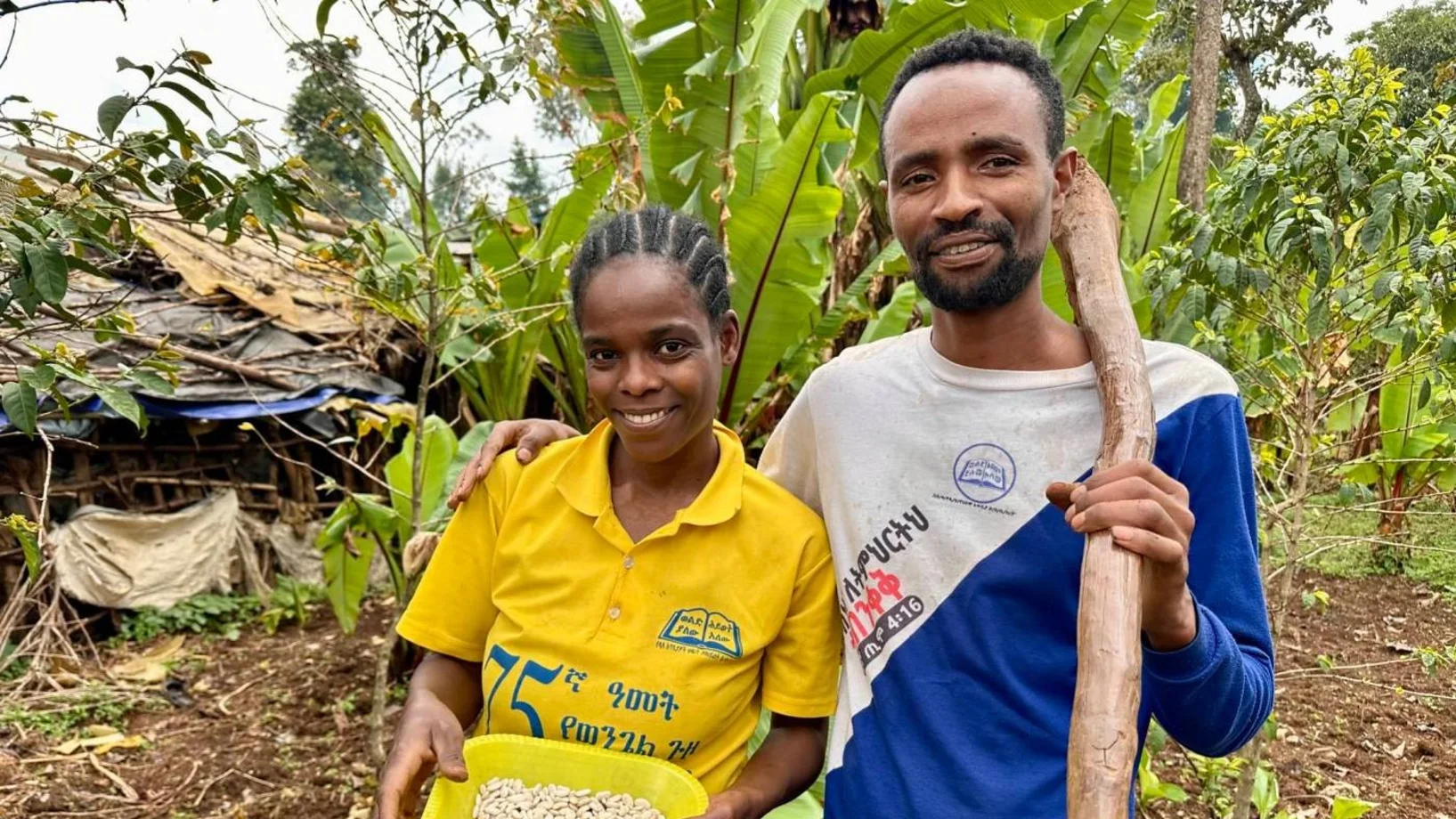
Agricultural measures are also coming to a standstill. "We wanted to distribute over 60,000 Ensete seedlings to 200 families these days," says Zewdu. "But without transport, the families have to carry the plants several kilometers themselves." In the mountainous region, this is an enormous physical burden, especially for women. Other project components, such as the distribution of sheep on the basis of fair microloans, are currently not feasible without transportation.
There is also another serious problem: "Our agricultural advisors normally reach the widely scattered farms on small motorcycles," says Zewdu. "If they have to walk, they can only look after a fraction of the families."
Cash for purchases for project work is also becoming a scarce resource: the nearest bank is in Dilla, about an hour and a half's drive away.
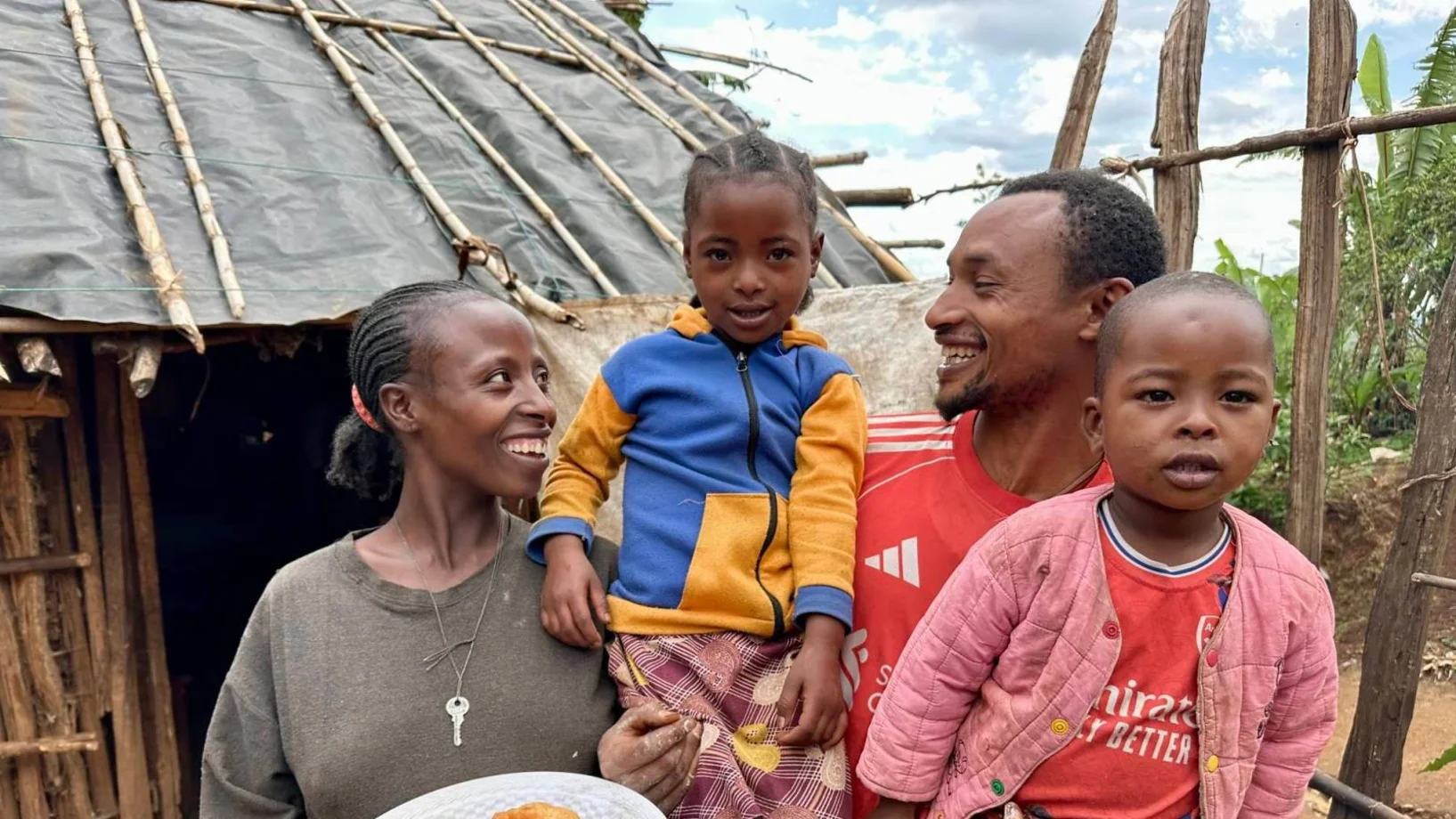
"The poorest families are the ones who suffer the most," says Getachew Zewdu. "Our support is delayed, and at the same time their situation is immediately worsening. Without transportation, they can no longer sell their products, while the prices of bought-in goods are rising. This means even more shortages and hunger."
About the Menschen für Menschen Foundation
Menschen für Menschen is committed to fighting poverty and hunger. The foundation was established by the actor Karlheinz Böhm (1928 - 2014). In the spirit of its founder, the Swiss aid organization creates prospects for the poorest families in Ethiopia. The aim of the work is to enable them to live in dignity in their home country. The individual projects focus on promoting women, vocational training, microcredits, child aid, family planning and agricultural development. The components are combined according to local needs and implemented with carefully selected local partners.
Download the media release as a PDF (in German) and the corresponding image in HD quality here: