The ABC of a better future
Dear reader
The lack of economic development threatens the future of the younger generation in Africa. Behind this lies a more fundamental problem: in many regions, population and resources are not growing at the same rate. Where arable land, jobs, and education are scarce, poverty worsens from generation to generation.
The key lies with women. Where girls have no voice, don't go to school, or are married off young, development is stunted. That's why gender equality is a central concern for people. It determines health, income, and family size. Women who receive an education and can determine their own lives have fewer children later in life, provide better care for their families, and contribute to the economic stability of their communities.
That's why we focus on girls. They should go to school until graduation. They should receive an education and be able to pursue a career. By empowering girls, we empower the next generation.
This is about the well-being of an entire country and a more just world. But it's also about the happiness of every single girl. Please join us in making this happen with Menschen für Menschen.
Periods under pressure
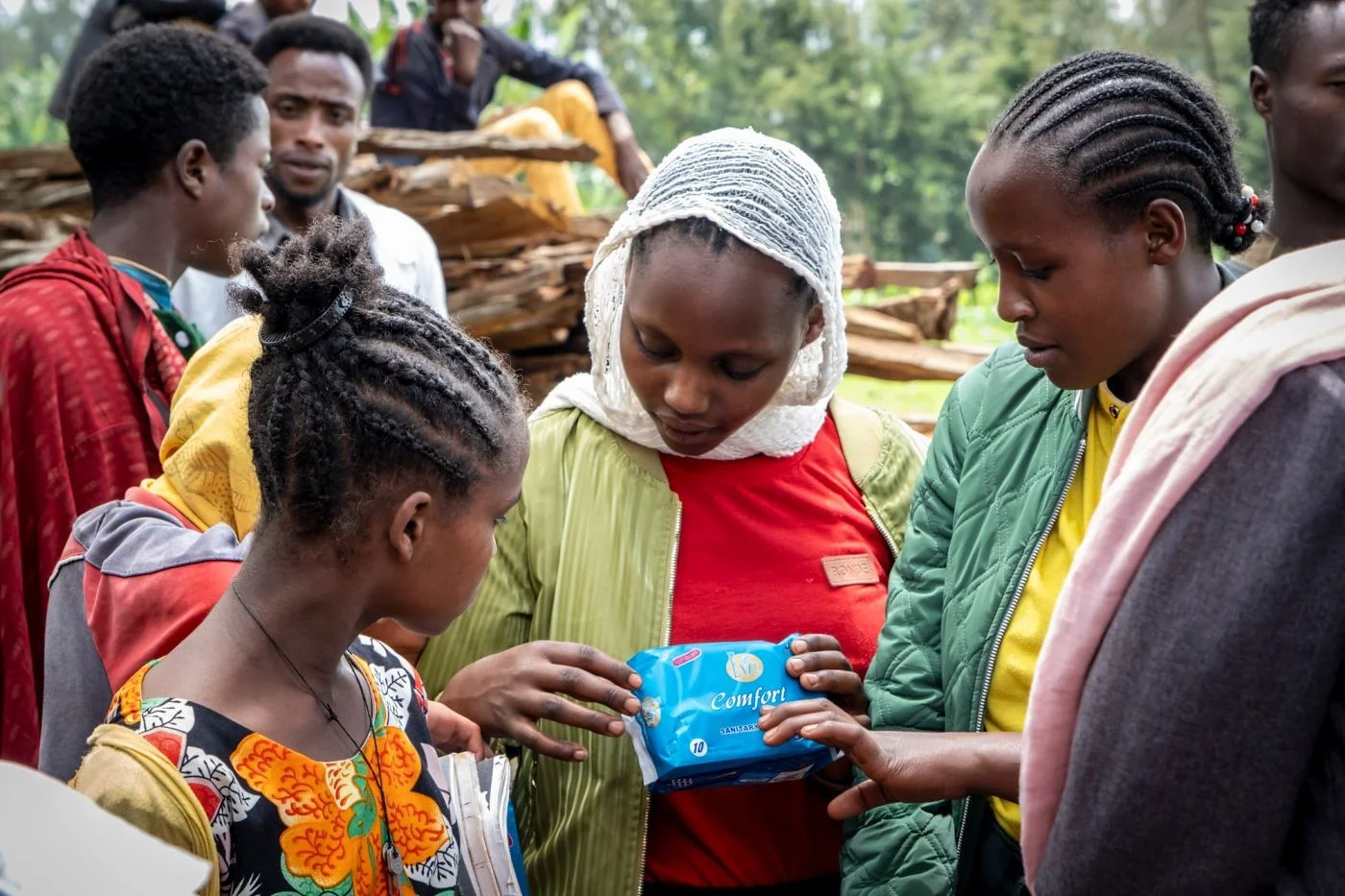
WHAT WE DO: We distribute sanitary pads to female teachers for distribution to girls.
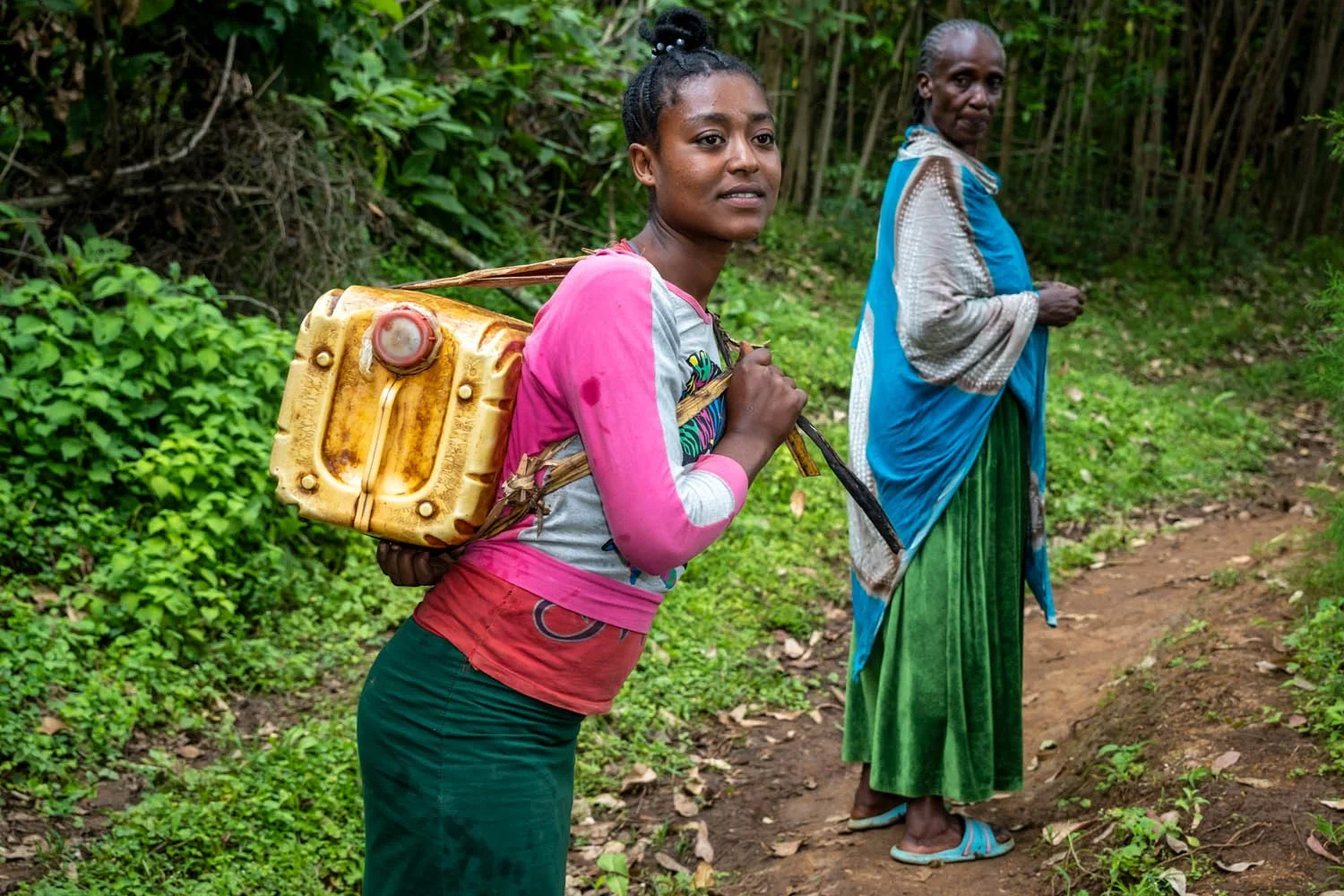
WHAT WE DO: We build wells near the houses. We accompany our measures with awareness campaigns and discussions. For example, we promote "model families for equality" in which boys and men also fetch water. The neighbors recognize how families benefit from the division of labor.
Unequal
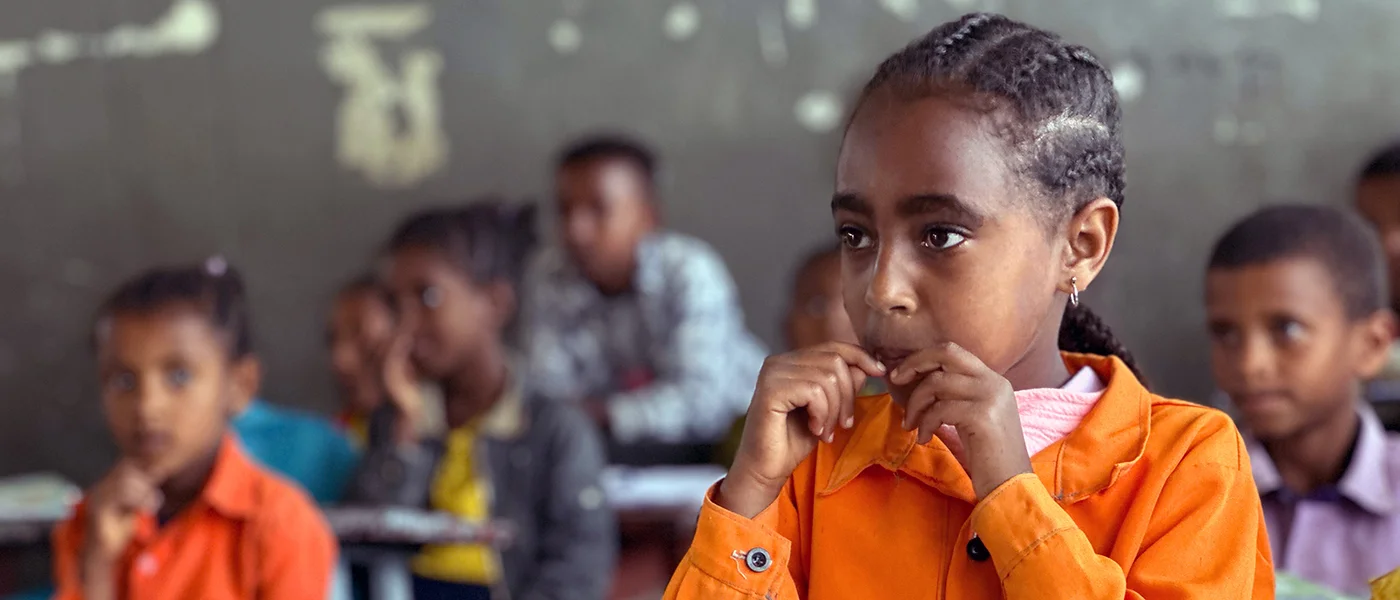
A first-grade class in our project area in the Raphe district: There are only three girls for every seven boys. Parents primarily send their sons to school.


Teenagers at Grammar School
After primary school, the ratio becomes even more unbalanced. At the only secondary school in Raphe, there are nine boys for every girl .
Bound to poverty
Many poor parents marry their daughters off early due to economic hardship. Tradition also plays a role: girls are expected to enter marriage untouched. In Ethiopia, one in seven girls is married before her 15th birthday. In our project area, Raphe, one in two girls becomes a wife before her 18th birthday.
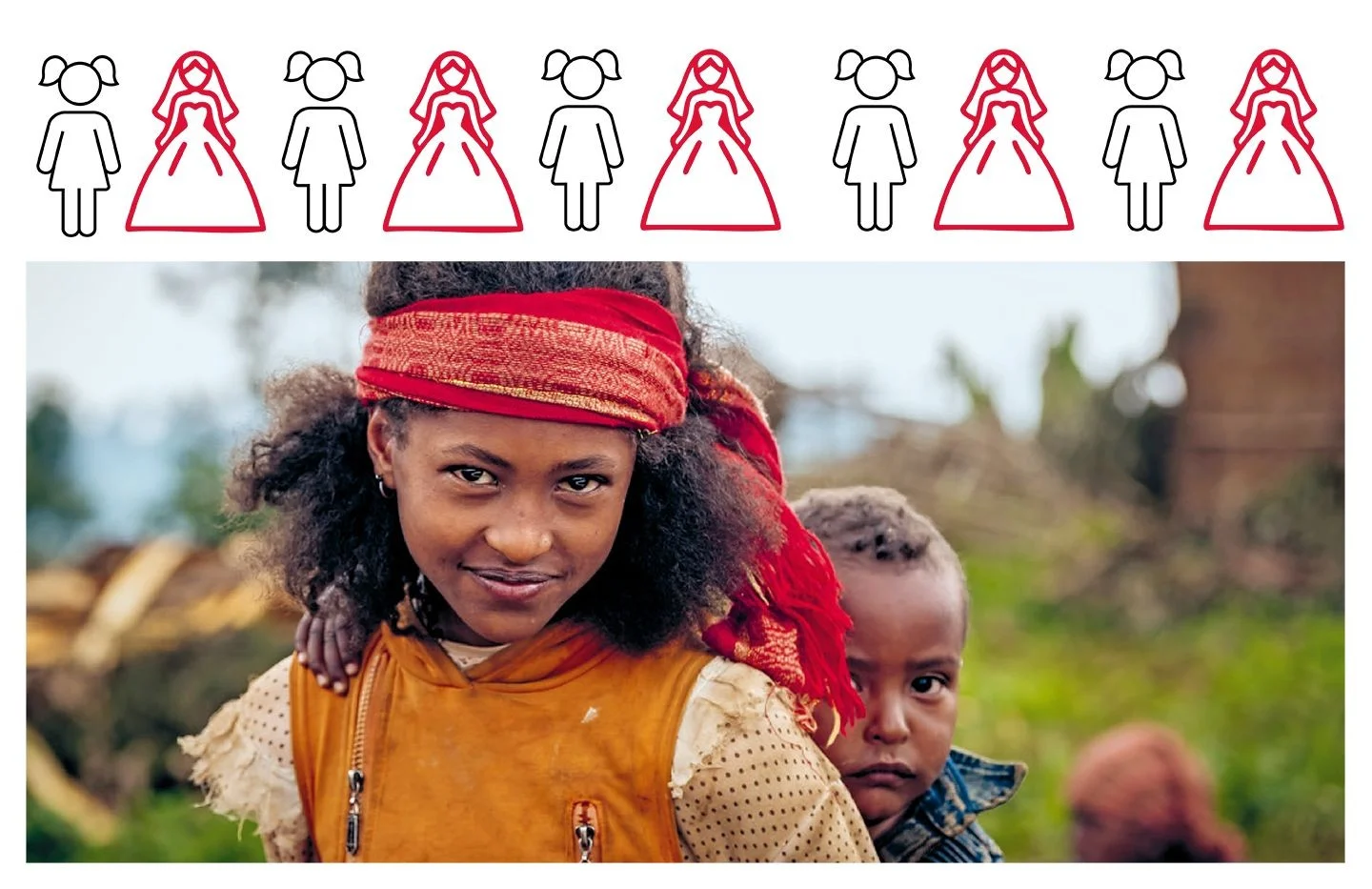
WHAT WE DO: We train so-called "peer educators." These educators explain why early marriage is harmful. We also strengthen girls' clubs in schools, where girls learn about their rights.

WHAT WE DO: We promote school attendance and educational success for boys and girls equally through school supplies and food.