Zurich/Addis Ababa – The war in the Persian Gulf has hit Ethiopia hard. Higher prices for gasoline and diesel are driving food prices even higher. Many families can no longer afford enough to eat. Young children are particularly vulnerable. Their health and development are suffering from malnutrition.
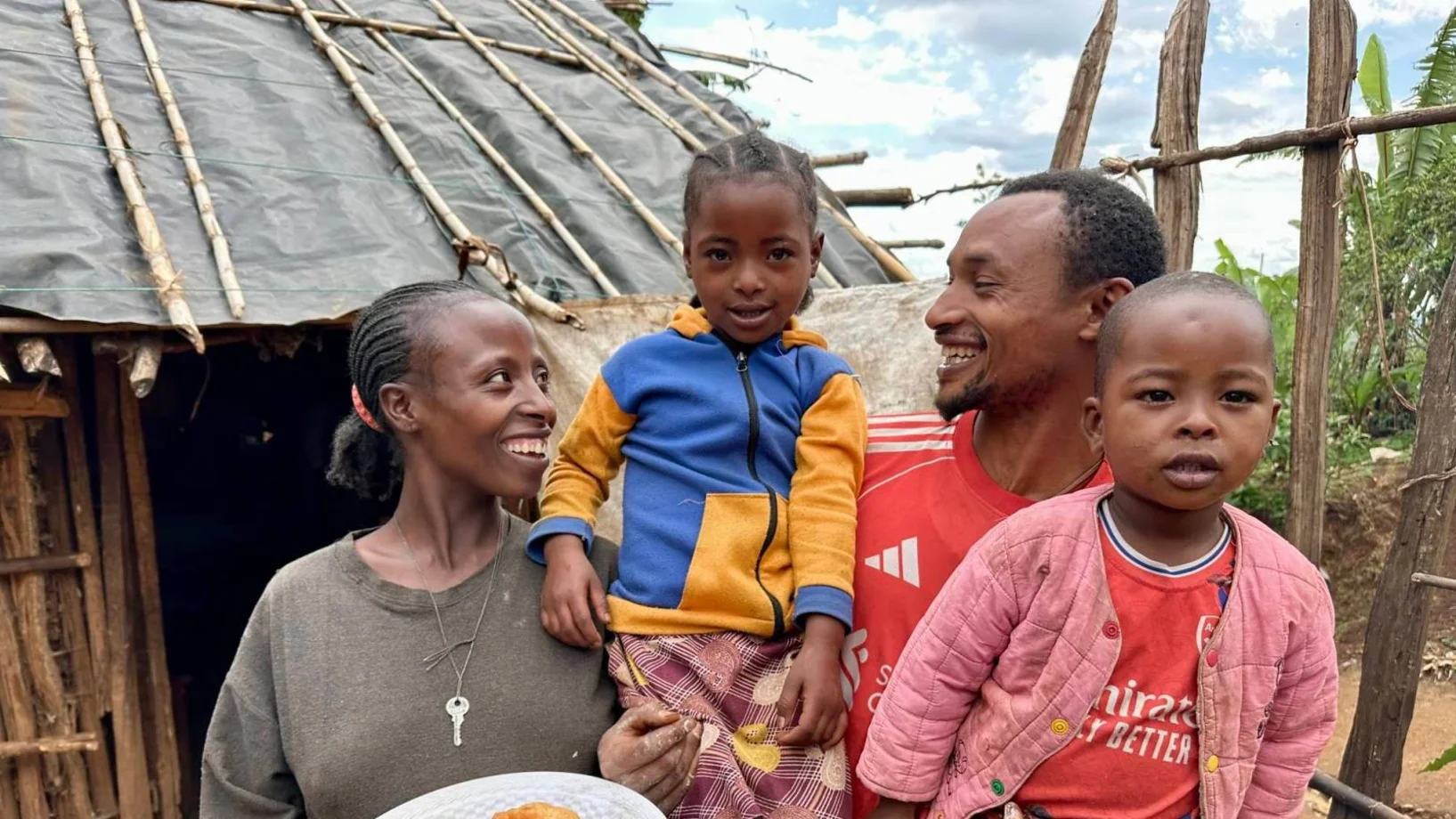
Haddse Nigusse lives in a tiny rented room in Addis Ababa with her eleven-month-old twins, Yamariam and Yabsira. The 22-year-old was abandoned by her partner when she was eight months pregnant. She lives with the children and her younger sister in cramped quarters. Her sister earns 8,000 birr a month in a factory, the equivalent of about 40 Swiss francs. "But the rent for the room alone costs 6,000 birr," says Haddse Nigusse. "There's far too little money left for milk, diapers, and food."
To provide for her children, she begs in front of churches. "People give me something because they see the twins. But the children are getting older. I don't know how much longer this can go on."
Their already difficult situation has worsened in recent months. Since the war between Iran, Israel, and the US, fuel prices in Ethiopia have risen sharply. Diesel became around 40 percent more expensive between December 2025 and May 2026. The consequences hit a landlocked country like Ethiopia particularly hard. Because almost all goods are transported long distances by truck, higher transport costs directly impact the prices of basic foodstuffs.
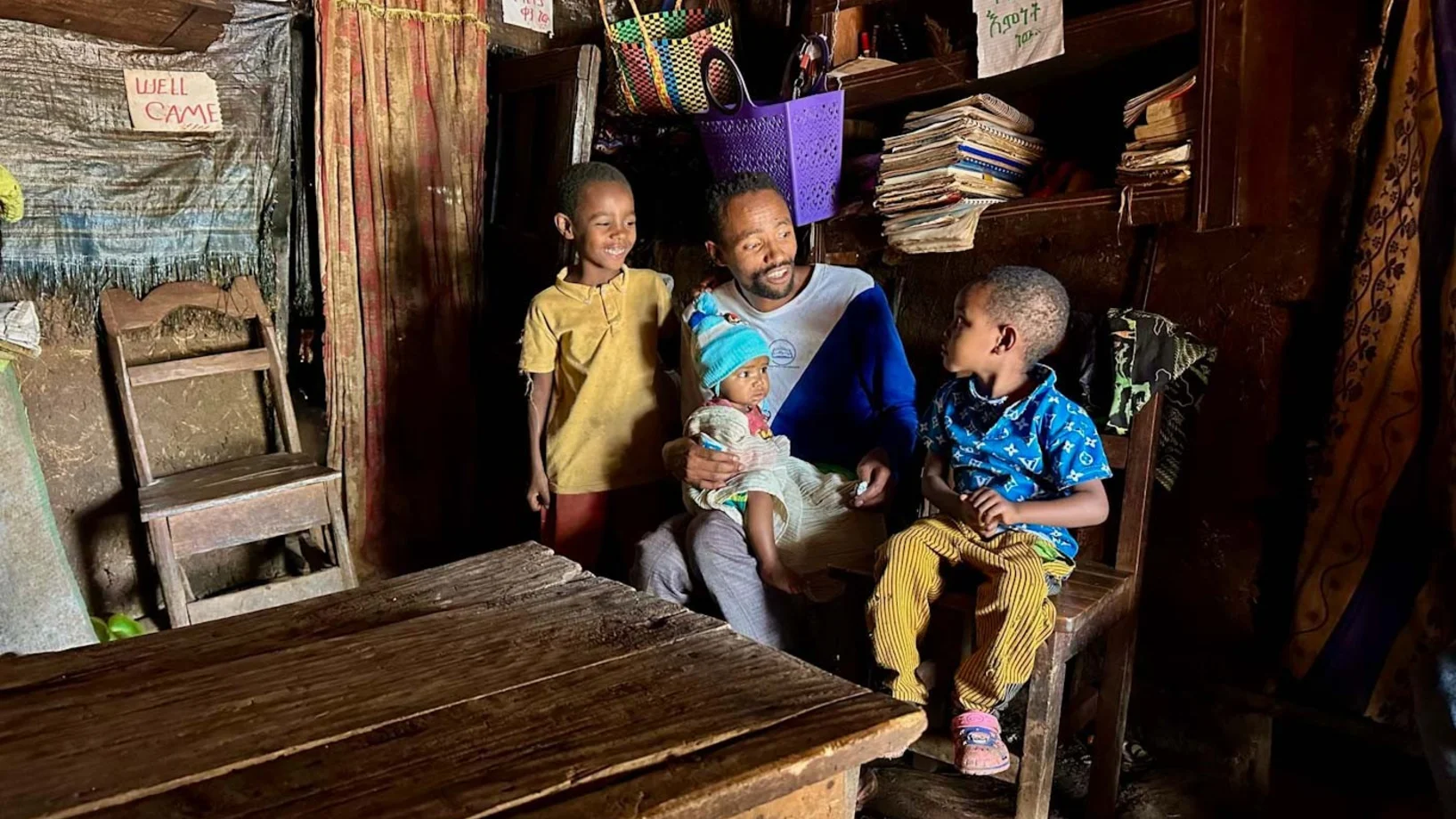
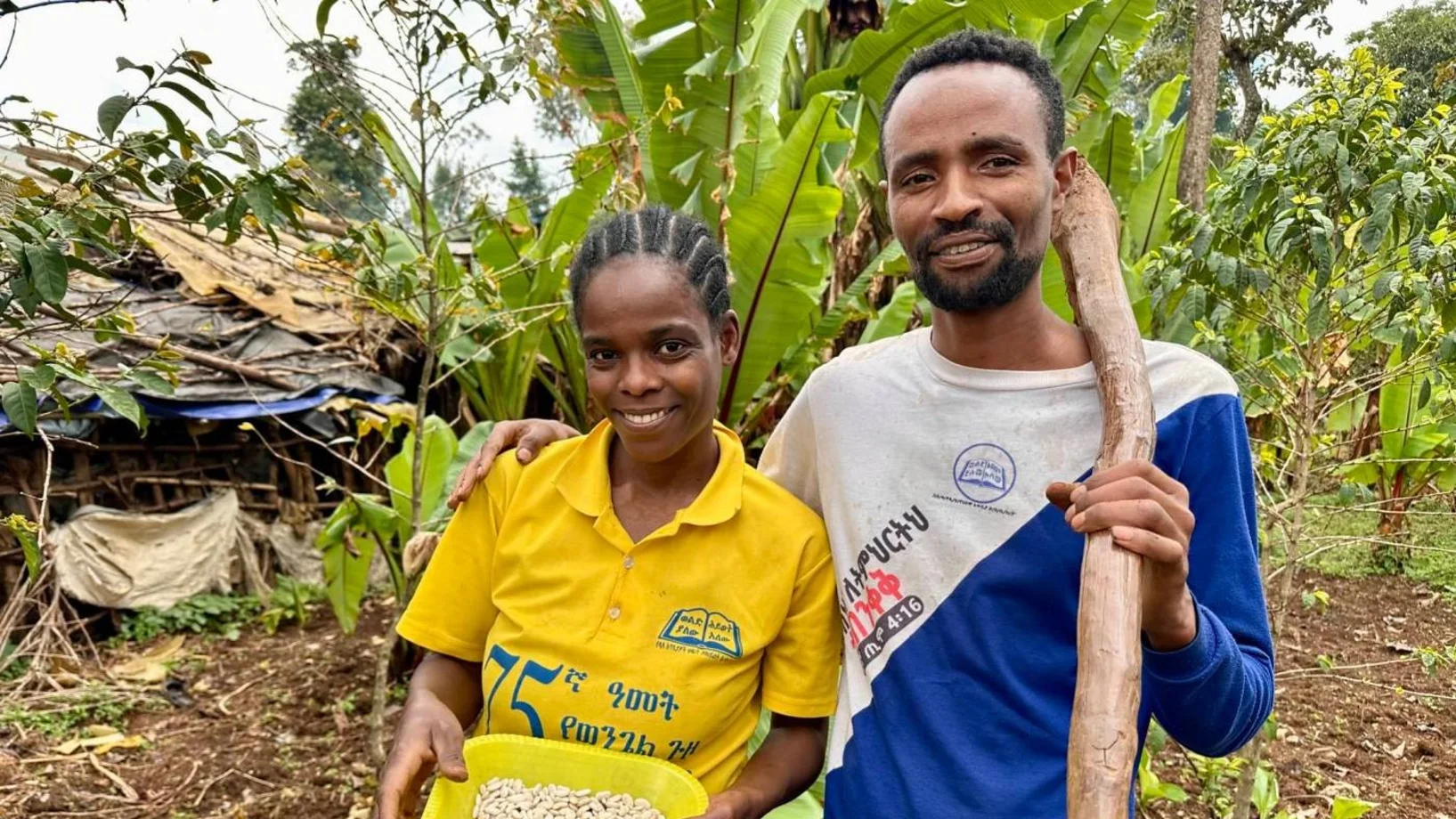
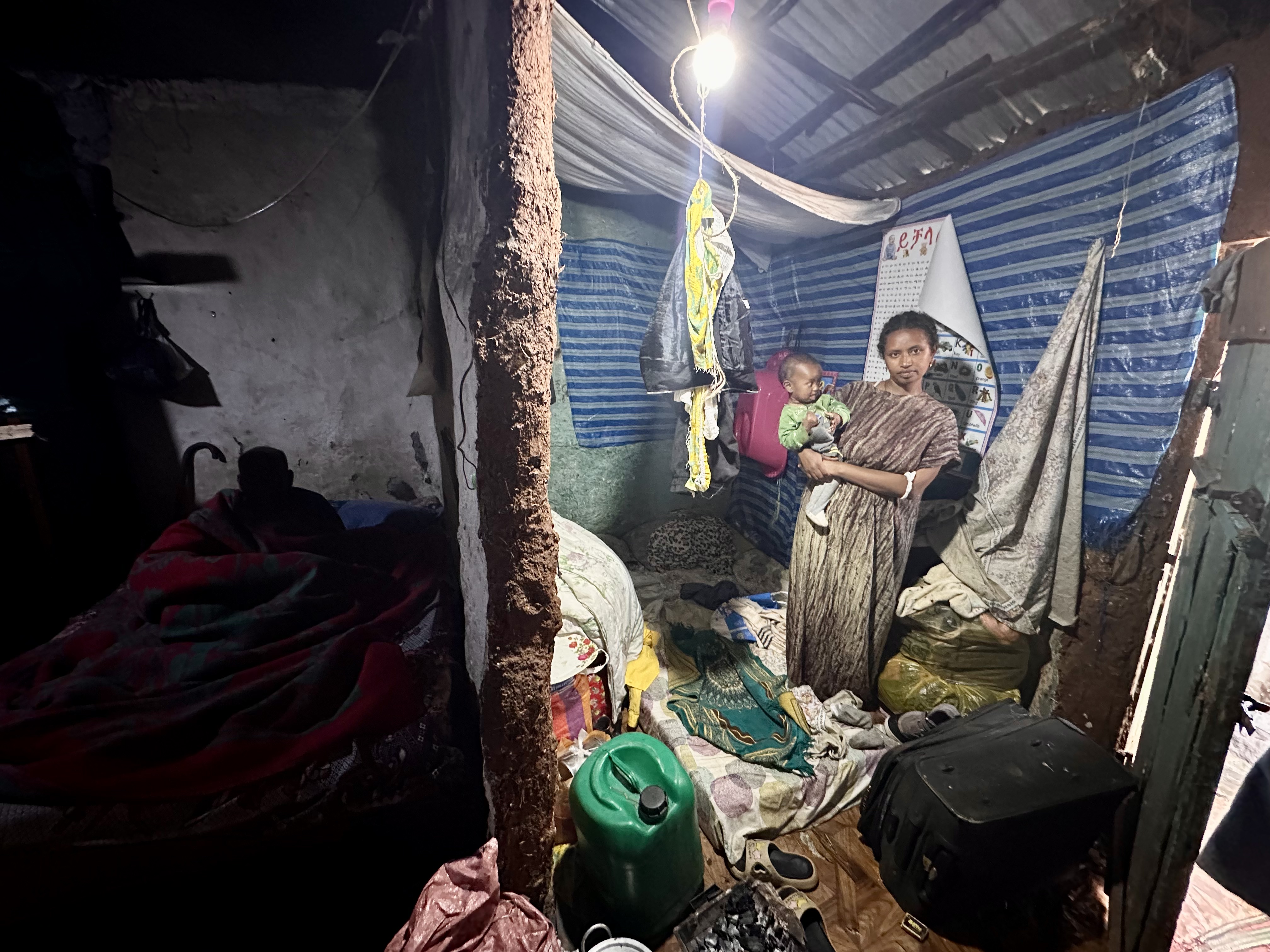
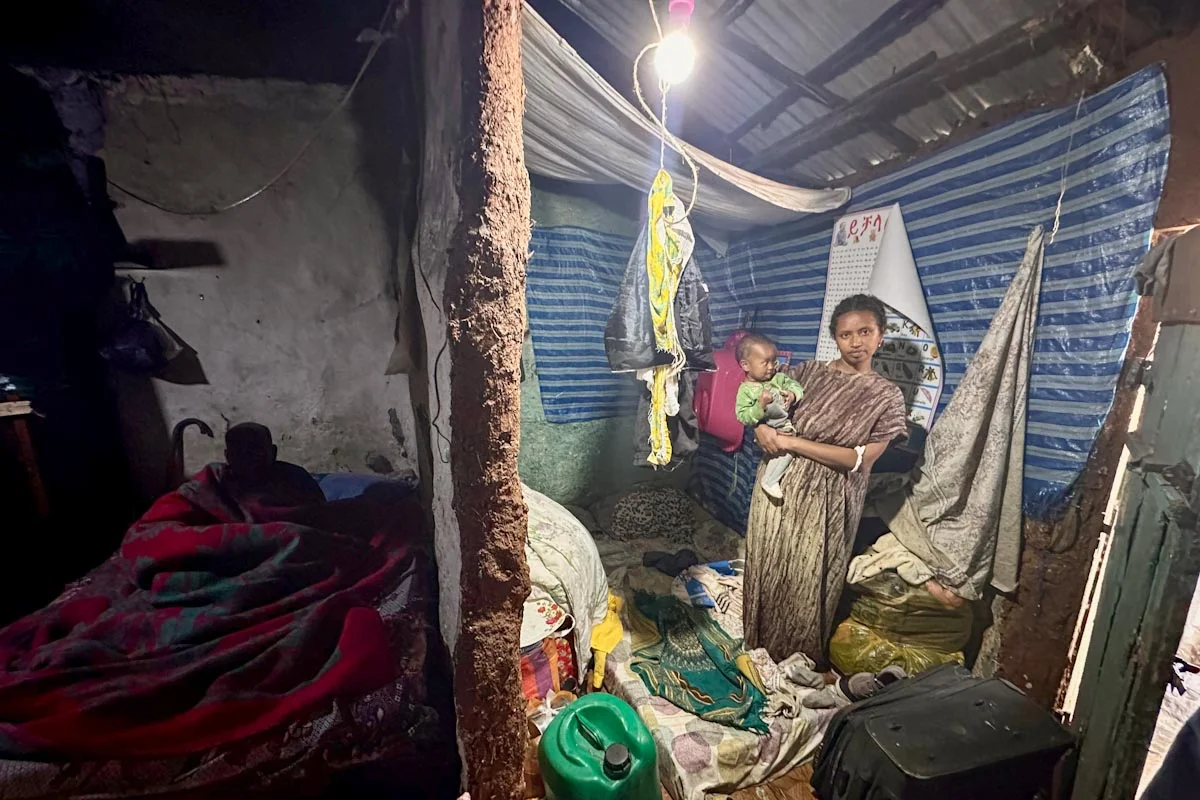
Hanna Addisu is experiencing firsthand just how dramatic this situation is for families with young children. The 28-year-old lives with her husband and two children in a sublet apartment. The bedridden landlord lives in the same apartment in a simple house with mud walls and a tin roof. Only a curtain separates the landlord's area from the family's room. There is no privacy.
Prices have sometimes doubled
Her husband works as a fare collector on a long-distance bus, and Hanna Addisu sells tissues and chewing gum on the street. "A year and a half ago, the income was enough to survive," says Hanna Addisu. But the prolonged inflation and the recent price increases resulting from the war in the Persian Gulf have since made many goods virtually unaffordable: "A liter of milk cost 50 birr, now it costs 85 birr. Five liters of cooking oil have increased in price from 900 to 2,000 birr. A diaper cost 12 birr, now it costs 25 birr."
After the birth of her daughter Makrina, the situation worsened. Due to complications related to her diabetes, Hanna Addisu had to be hospitalized. At the same time, the baby suffered from jaundice. For three months, the mother was unable to breastfeed. Although neighbors collected money for formula, it wasn't enough. "I was terrified for my daughter," says Hanna Addisu. The little girl grew weaker and weaker.
Protein-rich special food
To help children like Makrina and Haddse Nigusse's twins, Menschen für Menschen runs a nutrition program for particularly vulnerable families in Addis Ababa. A total of 150 malnourished and undernourished infants receive the protein-rich Famix formula there. Regular community meetings with the mothers, weight checks, and nutritional counseling accompany the support.
The first signs of progress are visible. Makrina has gained weight in recent weeks, reports her mother. Haddse expresses a similar sentiment about her twins: "They are much more active now."
Vocational training provides long-term benefits
Menschen für Menschen combines emergency aid with long-term support. Particularly impoverished women are given the opportunity to complete vocational training. During their training, their children are cared for in a project-run daycare center. After completing their training, the women can earn their own income and support their families. "Until now, I never had a choice," says Hanna Addisu. Now she hopes for an apprenticeship and to be able to provide a better life for her family in the future.
About the Menschen für Menschen Foundation
Menschen für Menschen is committed to fighting poverty and hunger. The foundation was established by the actor Karlheinz Böhm (1928–2014). In the spirit of its founder, the Swiss aid organization creates opportunities for the poorest families in Ethiopia. The aim of its work is to enable them to live with dignity in their homeland. The focus of individual projects is on women's empowerment, vocational training, microloans, child support, family planning, and agricultural development. These components are combined according to local needs and implemented with carefully selected local partners.
Download the press release as a PDF (in German) and the accompanying image in HD quality here: