Dear reader
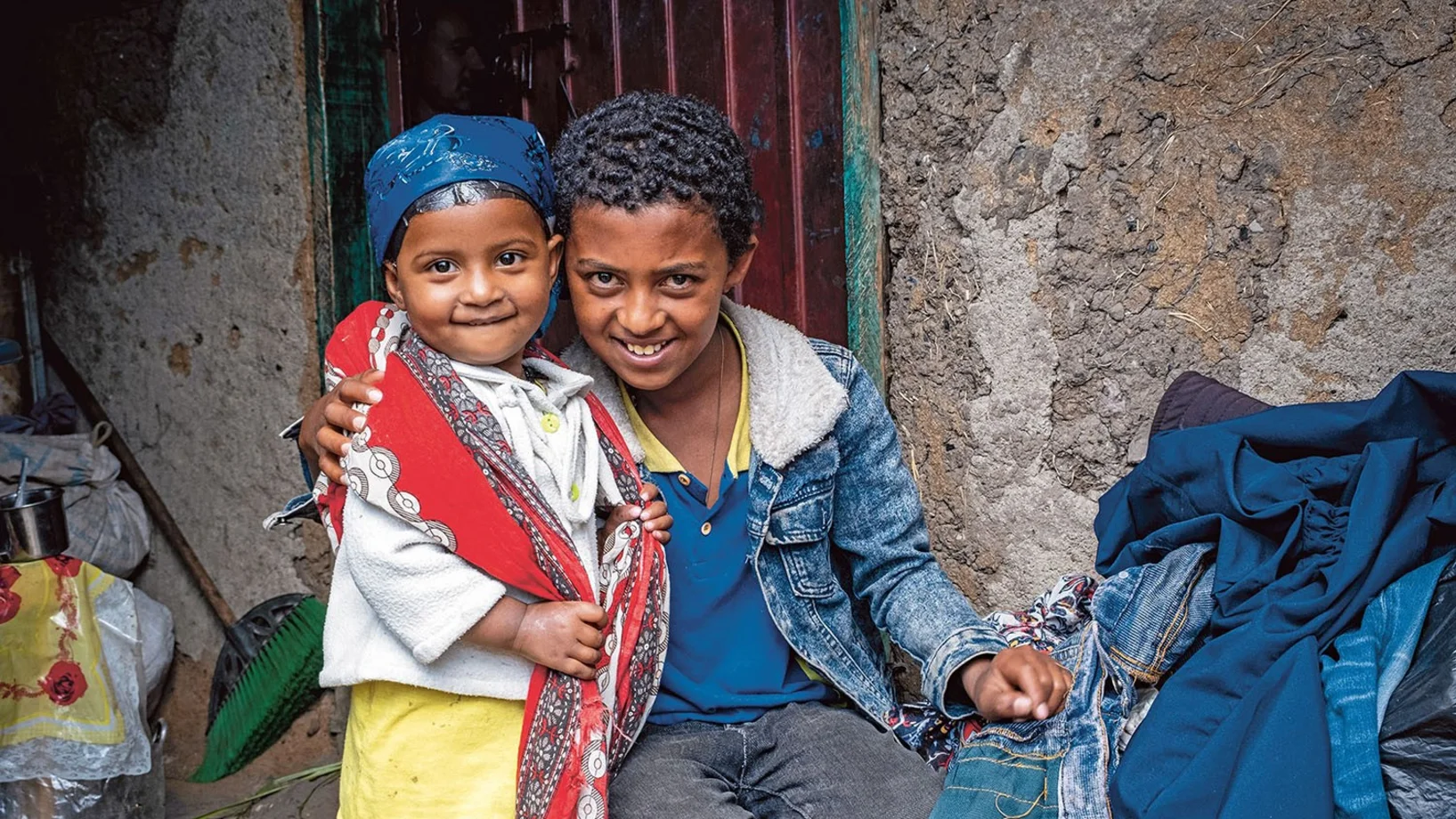
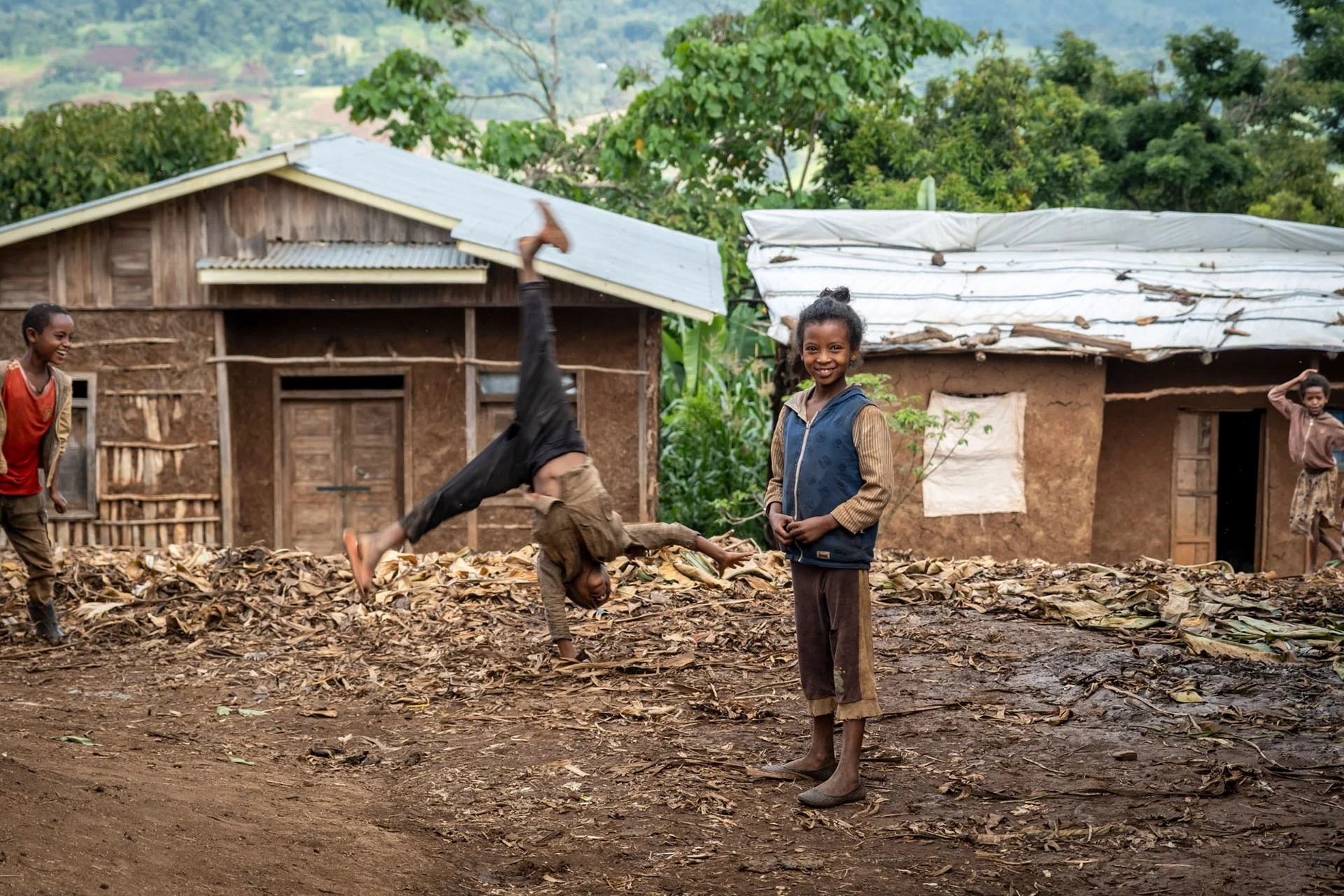
Ethiopia is a country of children: Forty percent of the population is under 15 years old! In Switzerland, their share is only 15 percent.
However, many children in Ethiopia grow up in extremely difficult conditions. Thankfully, there has been a lot of progress, thanks in part to our donors! But even so, almost one in three children under five is still chronically malnourished.
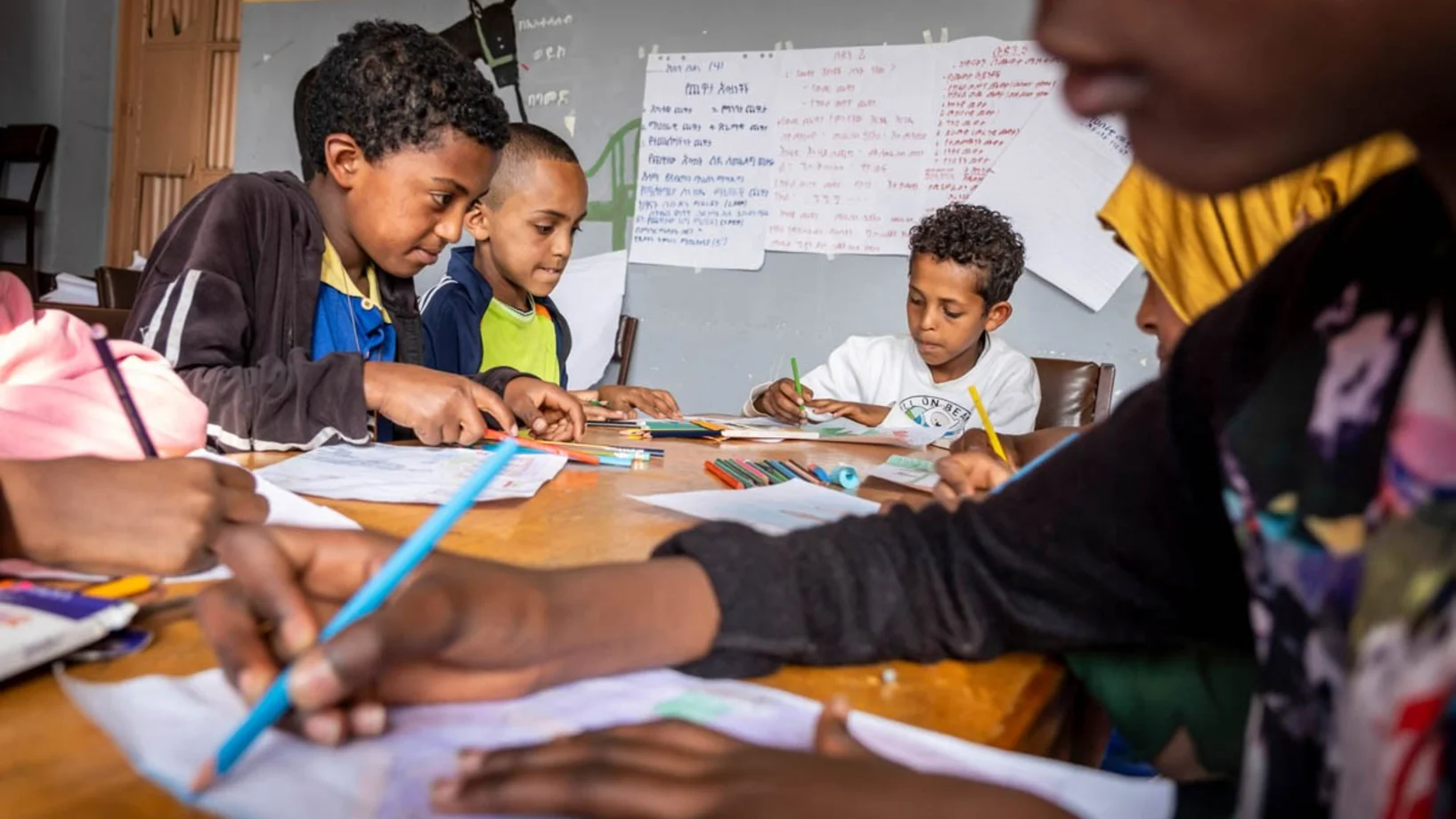
To give the most vulnerable members of the poorest families a chance, we provide them with food and school supplies. This allows them to grow up healthy and keep up in school.
Unfortunately, in Ethiopia only about half of all children complete primary school. Many have to drop out to contribute to the family income.
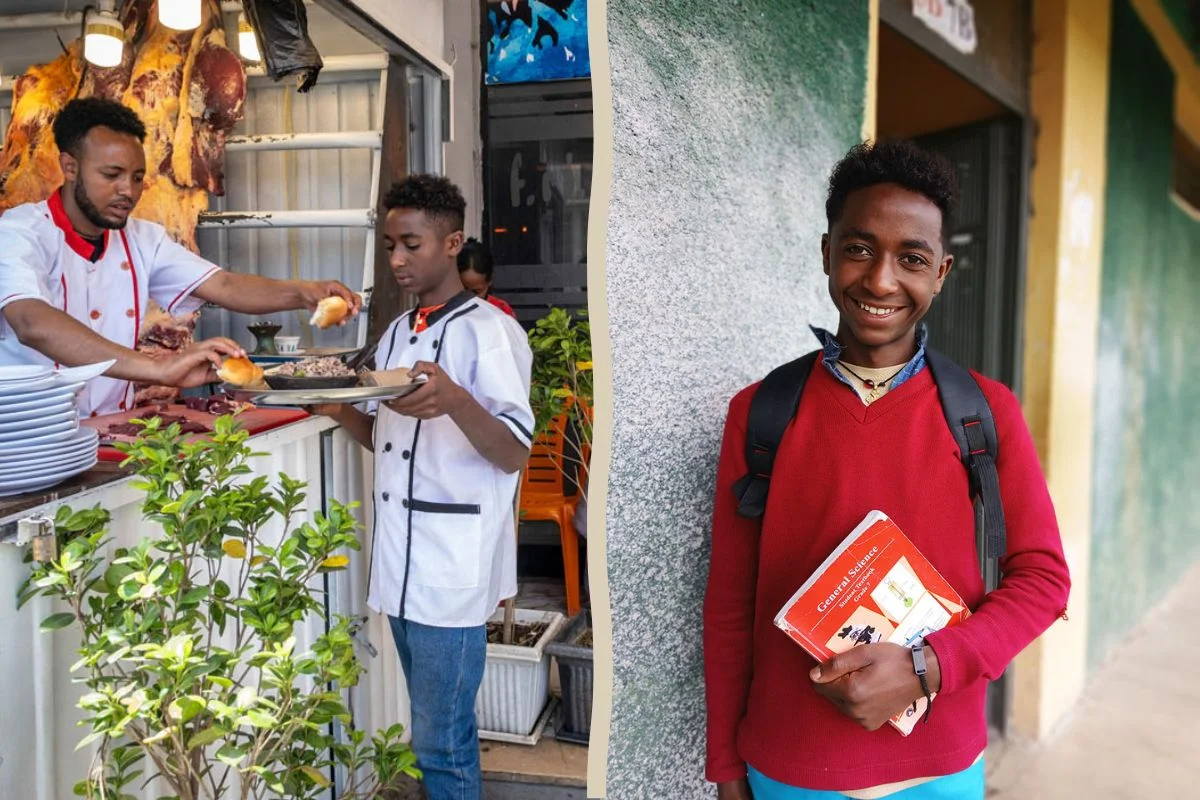
Like Ayele, 13 years old. The boy worked in a café. Seven days a week, twelve hours a day. "I'm depressed," he said. "Why do I have such a hard life?"


Now his fate has changed: We are supporting the family, and since mid-September Ayele has been able to go back to school.
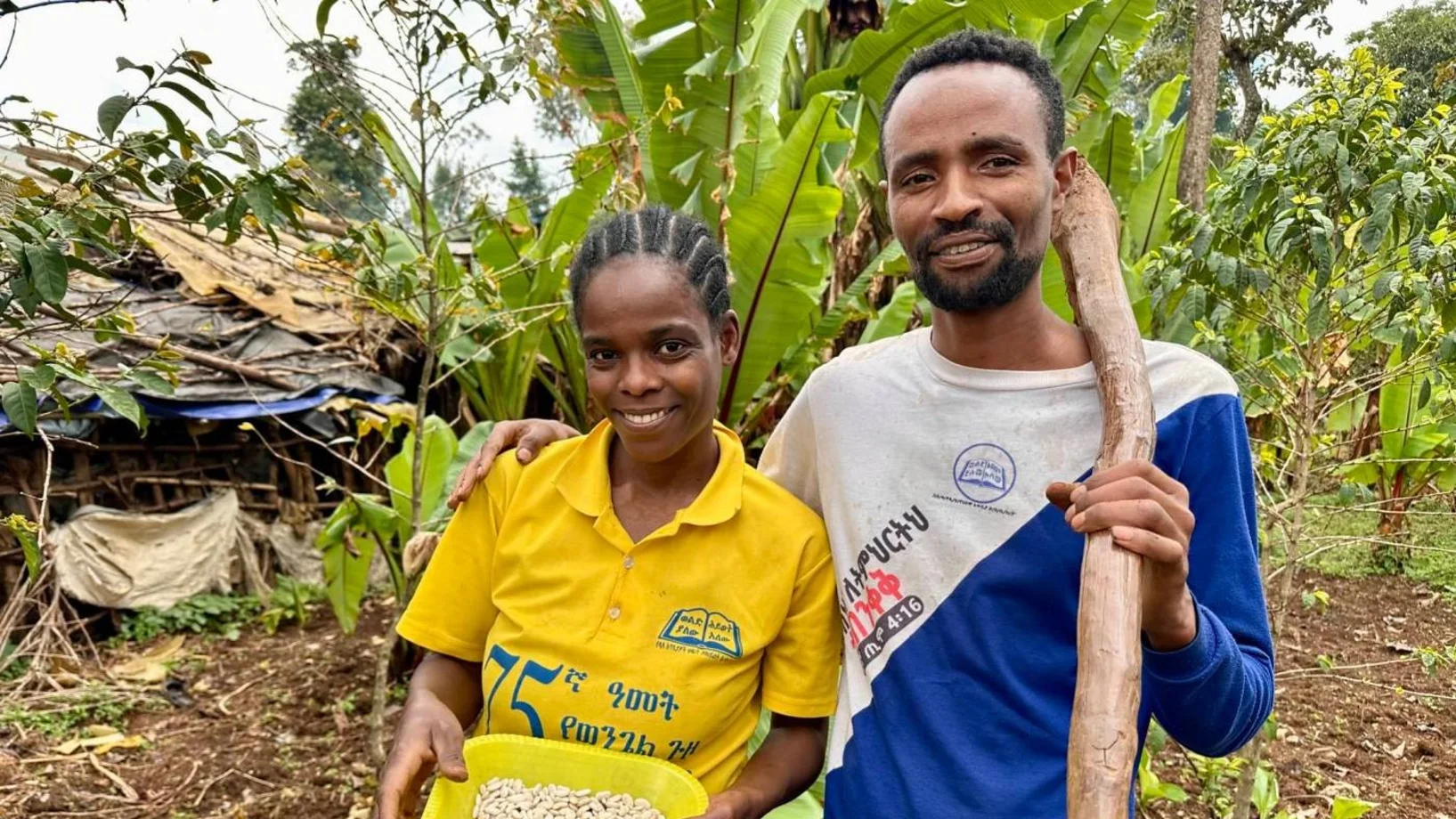
Such successes are made possible by you, our donors! We thank you from the bottom of our hearts.
Kind regards,
PS: Read Ayele's full story here:
282 francs


Online or offline?
Many Swiss children enjoy using their mobile phones. Among six- to seven-year-olds, one-fifth already own a device. This figure rises to 60 percent for ten- and eleven-year-olds and to 79 percent for twelve- and thirteen-year-olds. On weekends, Swiss teenagers spend an average of 4.5 hours online daily. Such statistics are not available for Ethiopia. However, it is certain that very few children are online: 80 percent of the population lacks internet access.

And now to the sports
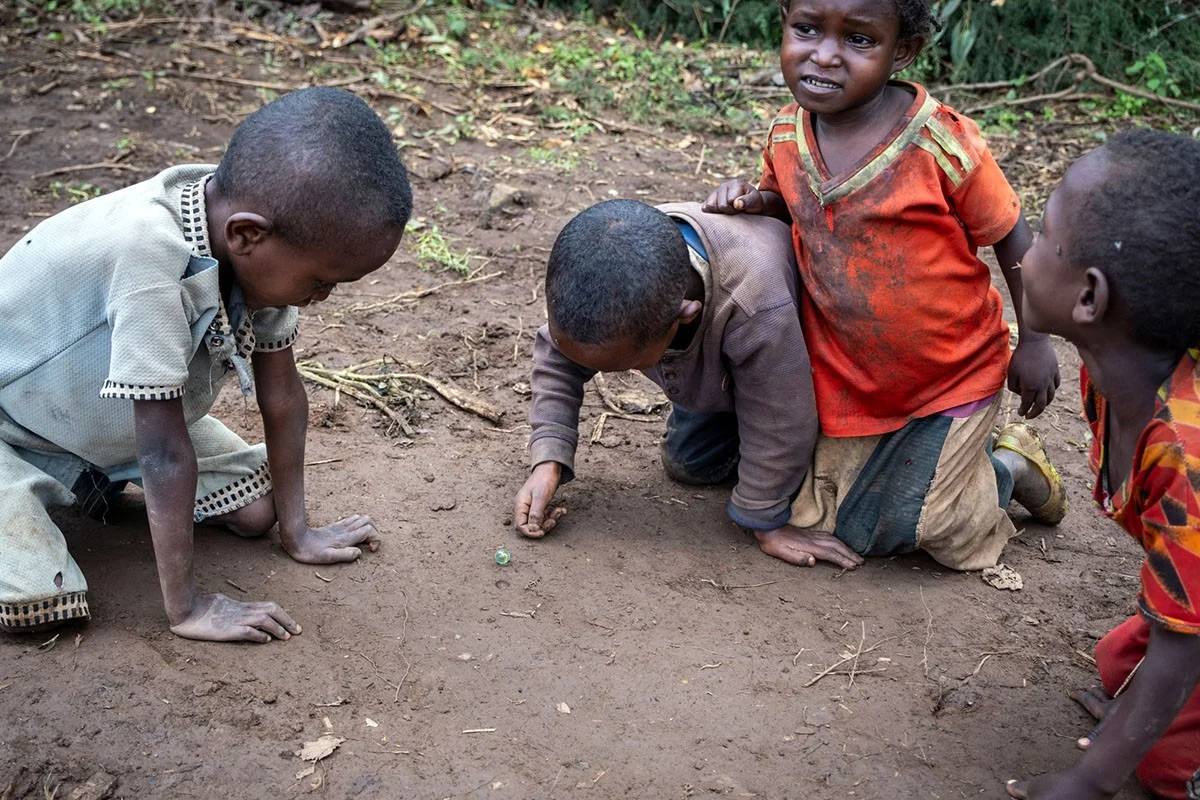
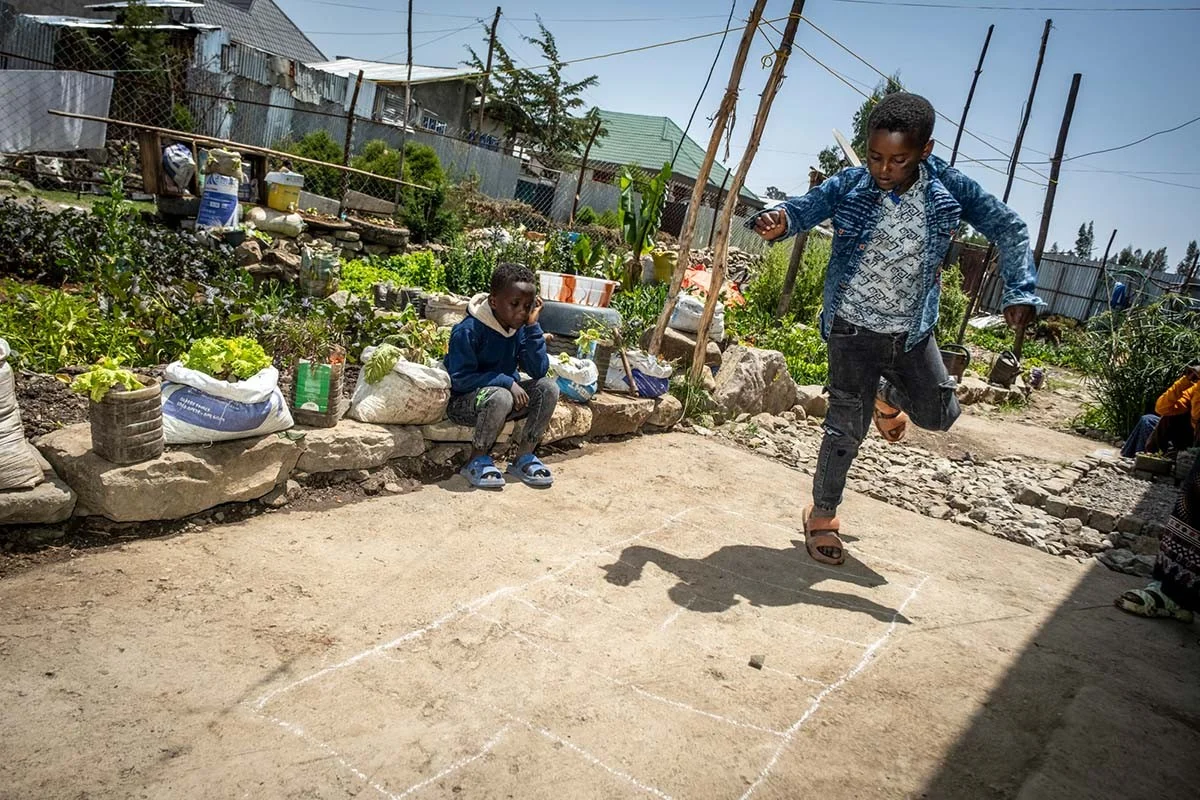
Despite mobile phones and television, children aged 10 to 14 in Switzerland are physically active for an average of around eight hours per week . They cite skiing (59 percent), swimming (55 percent), cycling (55 percent), and football (49 percent) as their favorite sports. No such surveys exist in Ethiopia. One thing is certain: very few children can swim, as swimming pools are scarce. Bicycles are unaffordable for most families. Many children jog out of necessity – to shorten the time on the long walk to school. They play football, sometimes with balls made from rags. Even for games like hopscotch and jump rope, no expensive equipment is needed.


Little brother and little sister
Many young people in Switzerland have no siblings:
- 43 percent of families have only one child.
- 42 percent of families have two children.
- Only 15 percent of families have three or more children.
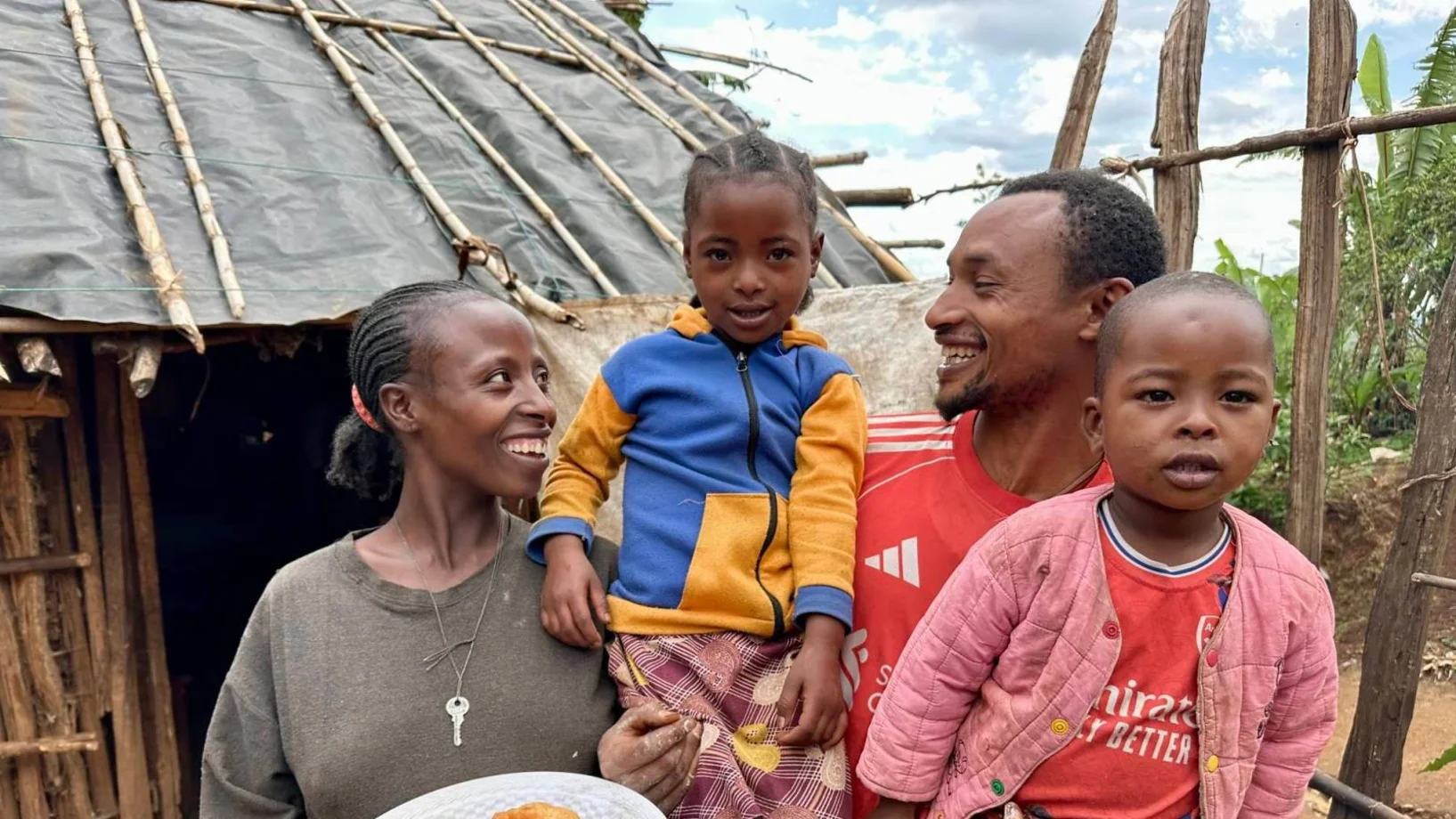
The situation in Ethiopia is quite different. On average, each woman has four children. In rural areas, however, families with six or more children are still not uncommon – often simply because there is no access to family planning. Large families combined with limited resources are a cause of poverty. Therefore, Menschen für Menschen (People for People) ensures that health clinics are equipped with contraceptives – so that parents only have as many children as they can feed.