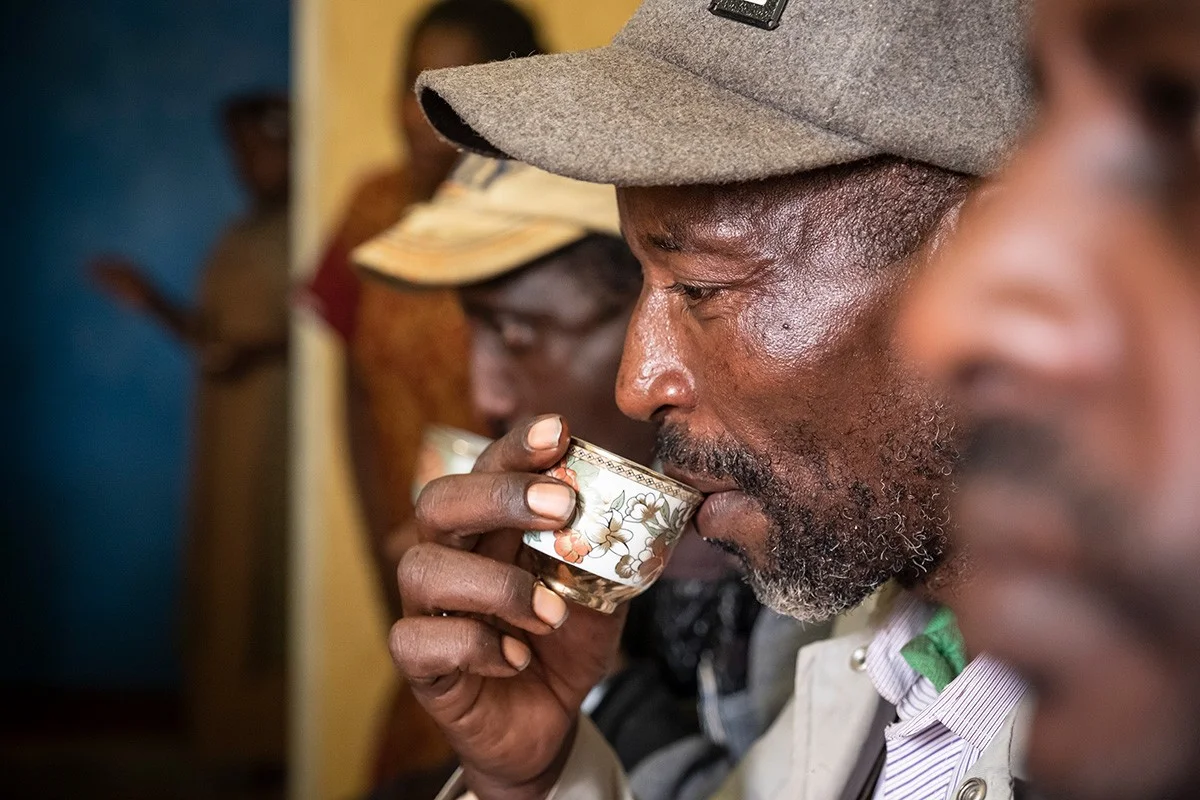
A man roasts coffee, causing a stir in the entire village. Yet such moments are more important than one might think: in Raphe, girls and women bear the brunt of daily life – and initial changes have a direct impact on income and stability.
The smoke from the open fire beneath the iron pan hangs heavy in the air. It stings the eyes, making them water. But Adenet Kabenet leans undeterred over the pan, stirring the coffee beans inside.
The smoke deterred him as little as the neighbors' head-shaking. When he started roasting coffee, the village laughed. "A man doing women's work – shocking!" they said. His brother didn't even greet him anymore.

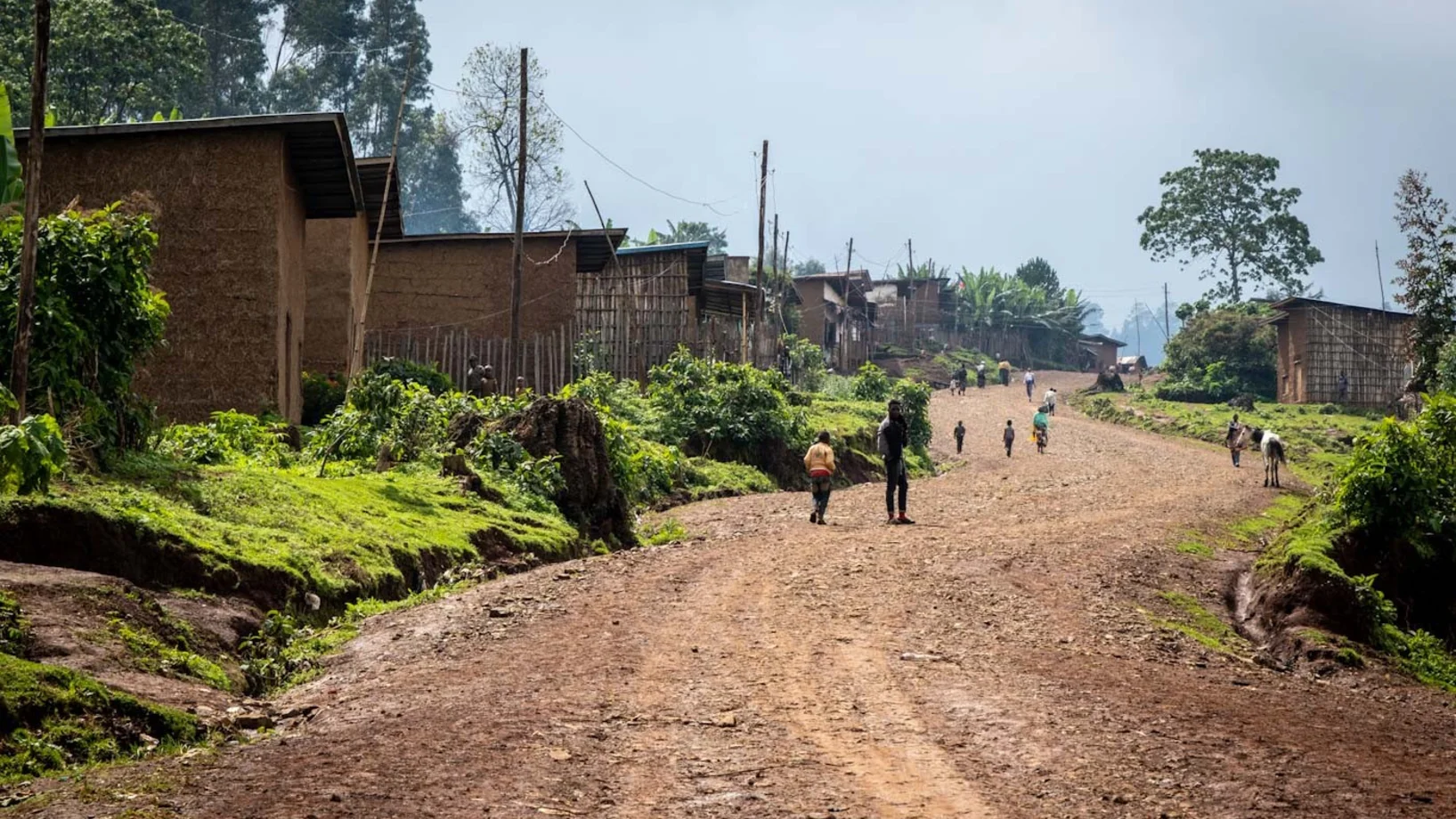
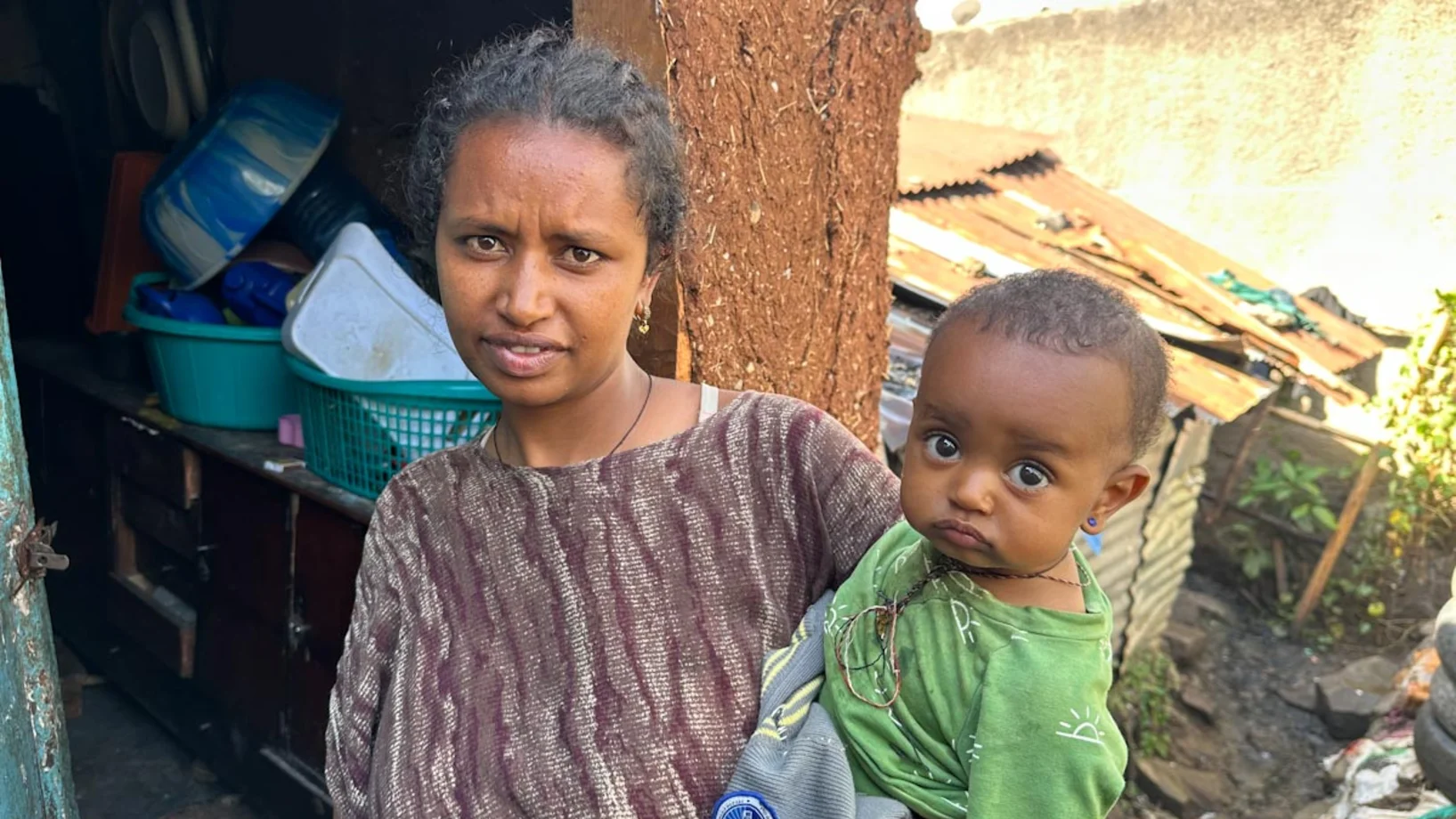
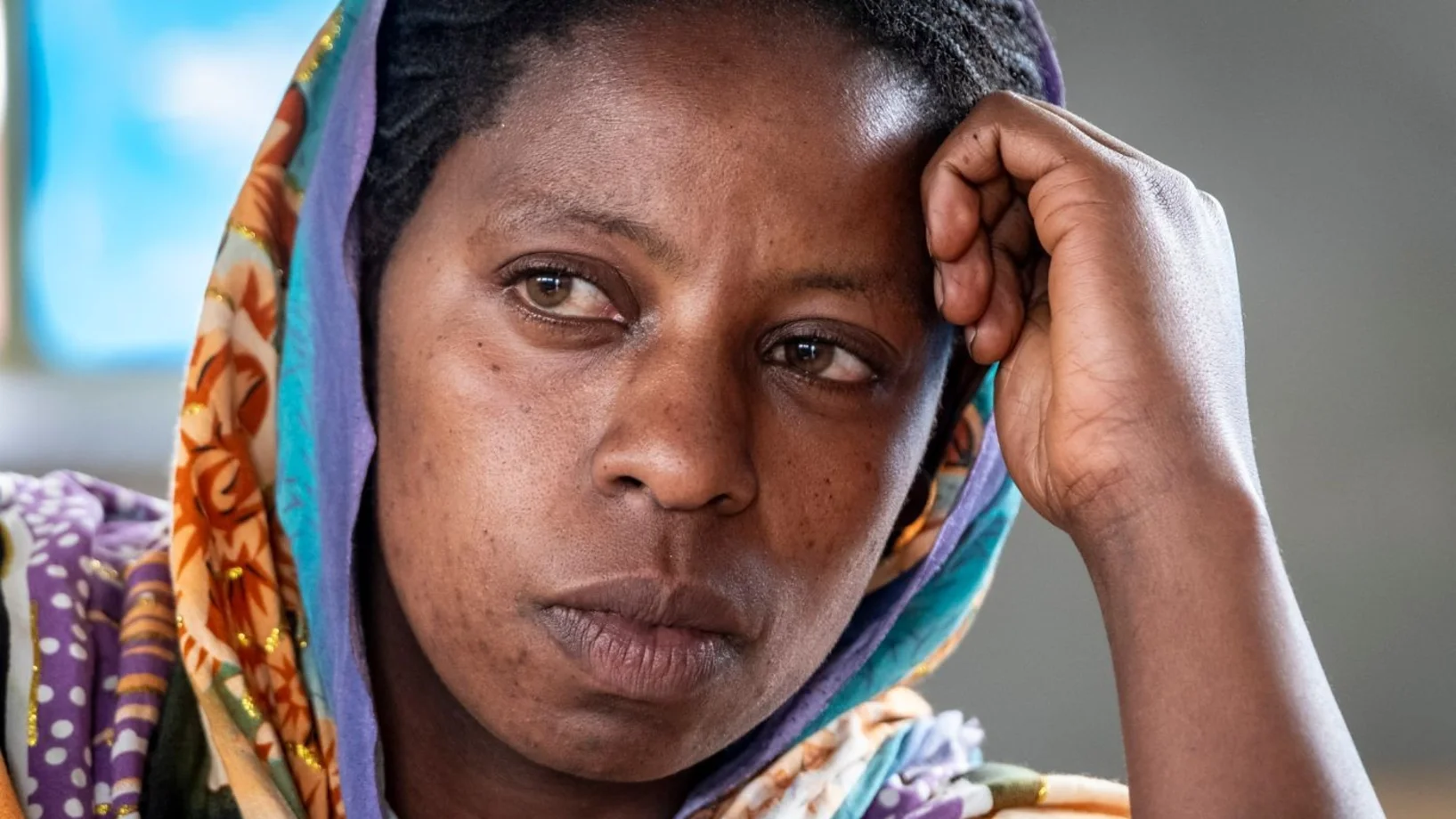
This rigid thinking is a core problem in the village of Cherbenta in the Raphe district. Girls and women bear the brunt of daily life. Girls miss school because they have to cook, clean, fetch water, or help process ensete. The raw material for kotcho, a starchy, bread-like staple food, is obtained through fermentation from the pseudostems and tubers of this plant. Many girls are married before their 15th birthday. "Out of 50 women, 30 or more are married young," says Zemariam Bekele, the equality officer for the new project by Menschen für Menschen. Women work up to ten hours a day in the house – in addition to fieldwork. There is no fair distribution of labor. And few are familiar with the concept of equality: only 15 percent of the women have ever heard the word, as group discussions revealed. Many women even reject equality – because they grew up in a culture where other gender roles simply don't exist.


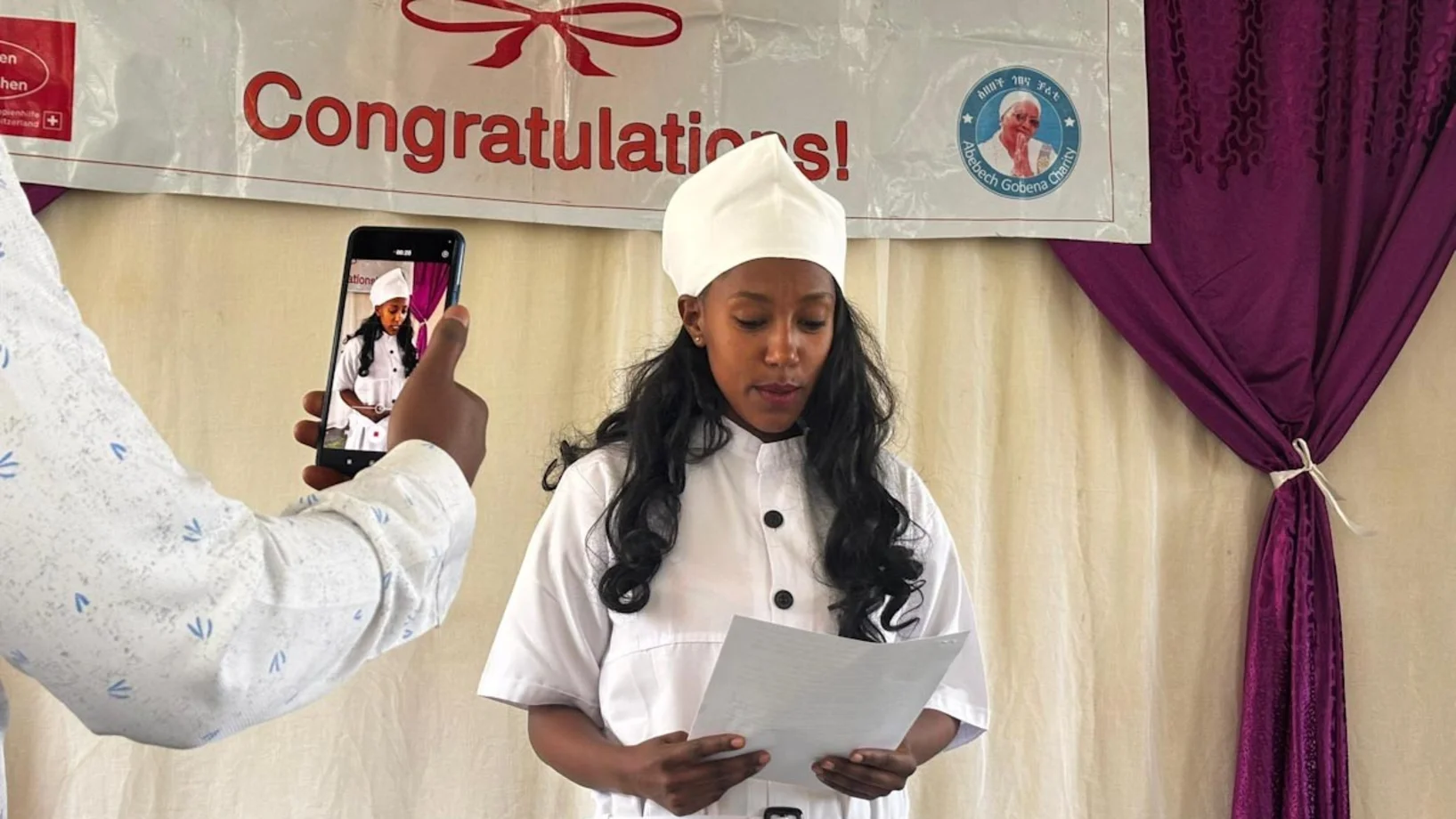
Zemariam knows the faces behind these statistics. "Too many children, too much burden," she says. "And often the woman carries one child in front, another on her hip, and agricultural products on her back." For her, this isn't an accusation, but a starting point. She prepares and conducts training sessions, trains peer educators, and supports couples on their journey to becoming so-called "model families for equality." These sessions aren't just about lofty ideals, but also about practical questions: Who sells the goods at the market? Who decides on spending? And: How many children can we afford?
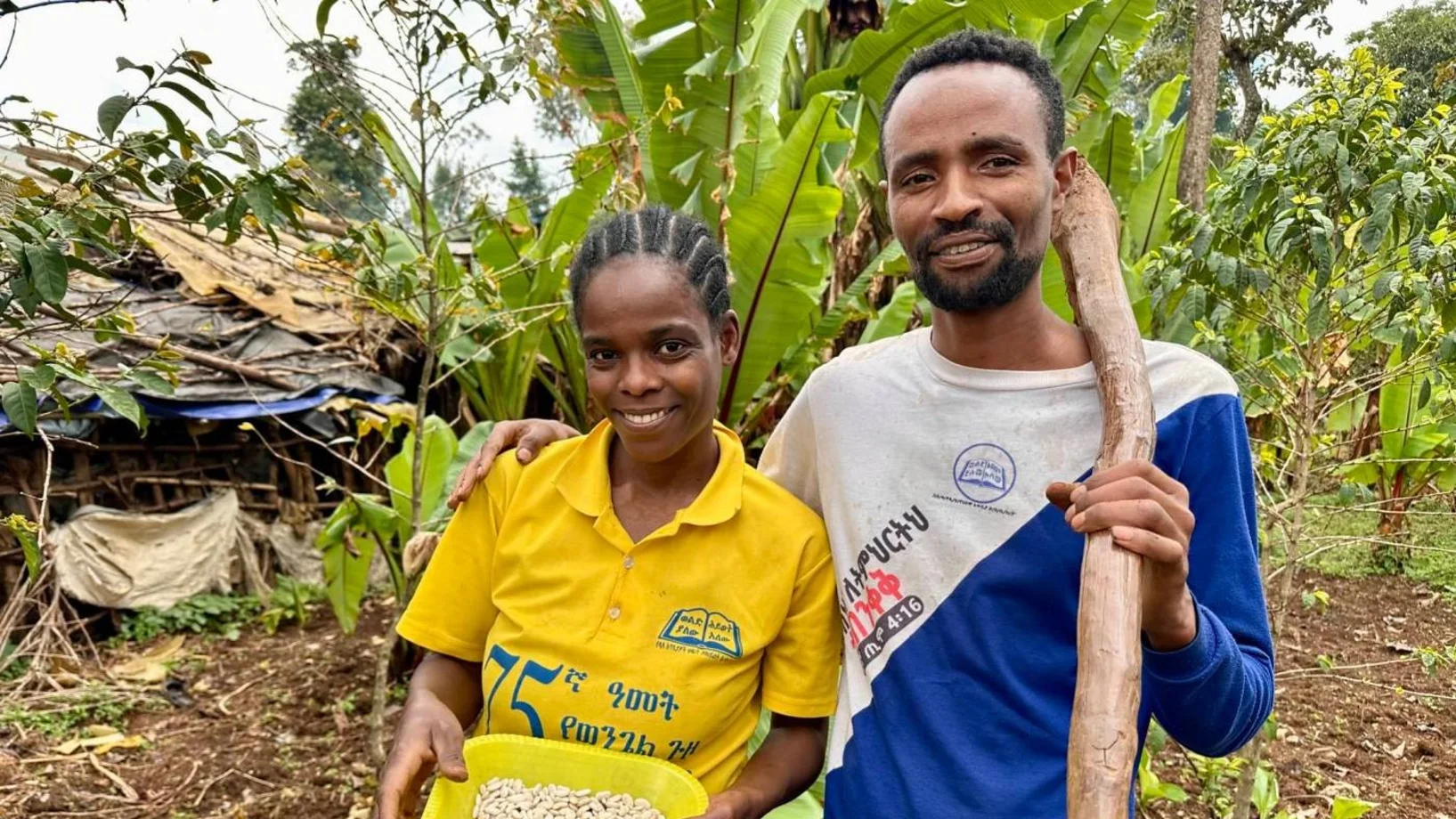
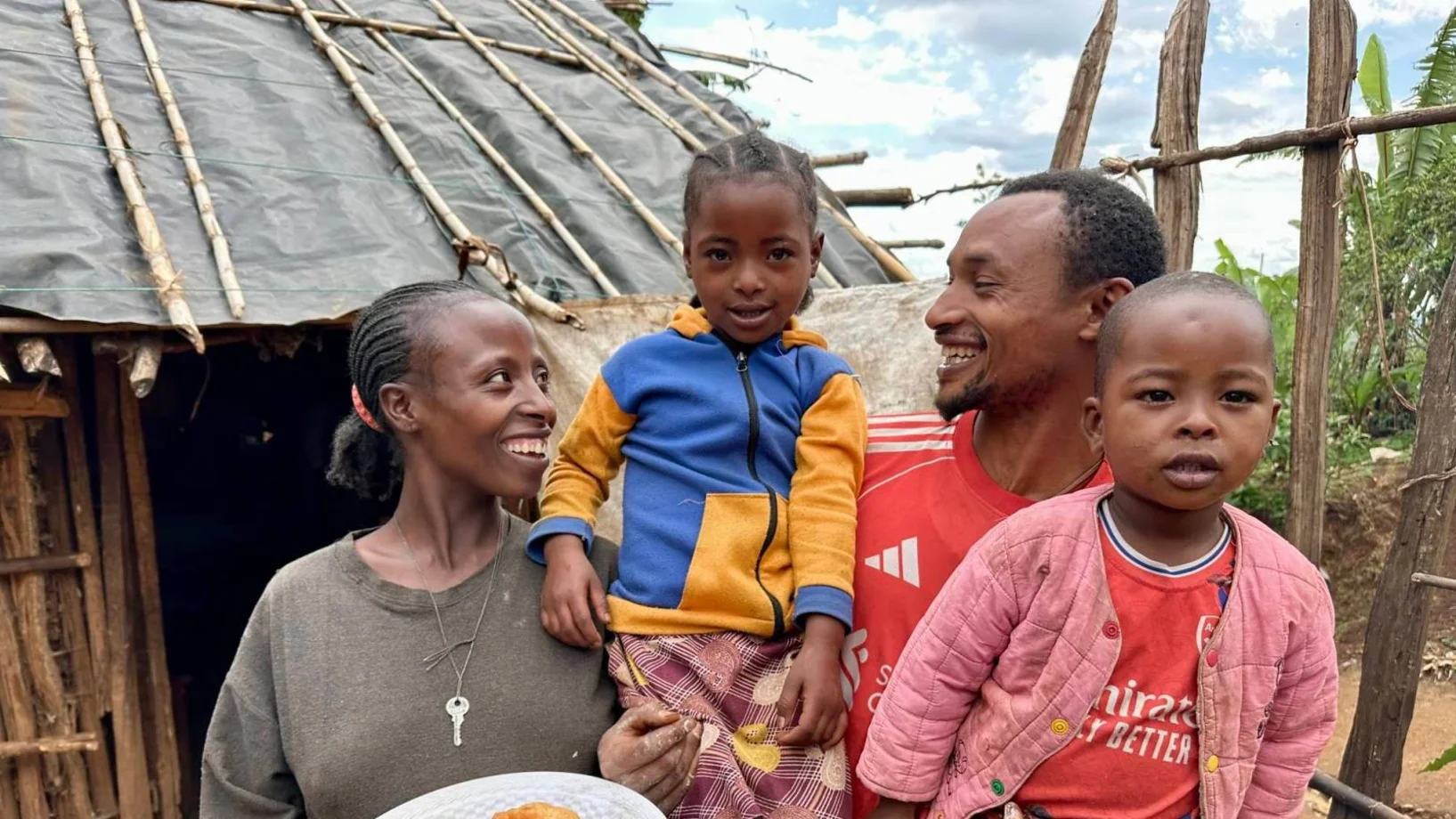
Adenet and his wife Bereket also attended such a course. Since then, they roast coffee together, process enset into kotcho, and brew a kind of beer for the market. After three months of dividing the work, no one is laughing anymore – the couple and their four children have become a model family for many villagers because of their economic success: What used to be a week's work for Bereket alone, they now accomplish together in two days. This means less exhaustion – and more income. It also changes the atmosphere in the house, says her husband: "Our relationship has changed. We are much more loving towards each other." Adenet's mother, who was initially skeptical, now says: "Seeing a woman treated well – that makes me happy." And the brother greets them again.


For MfM expert Zemariam, this is just the beginning. The biggest effects come later – when the women, who join together in self-help groups, use microloans, start small businesses, save their first profits, and make decisions – often for the first time. "Then the whole family moves forward," says Zemariam: equality as an investment in efficiency, stability, and overcoming poverty.