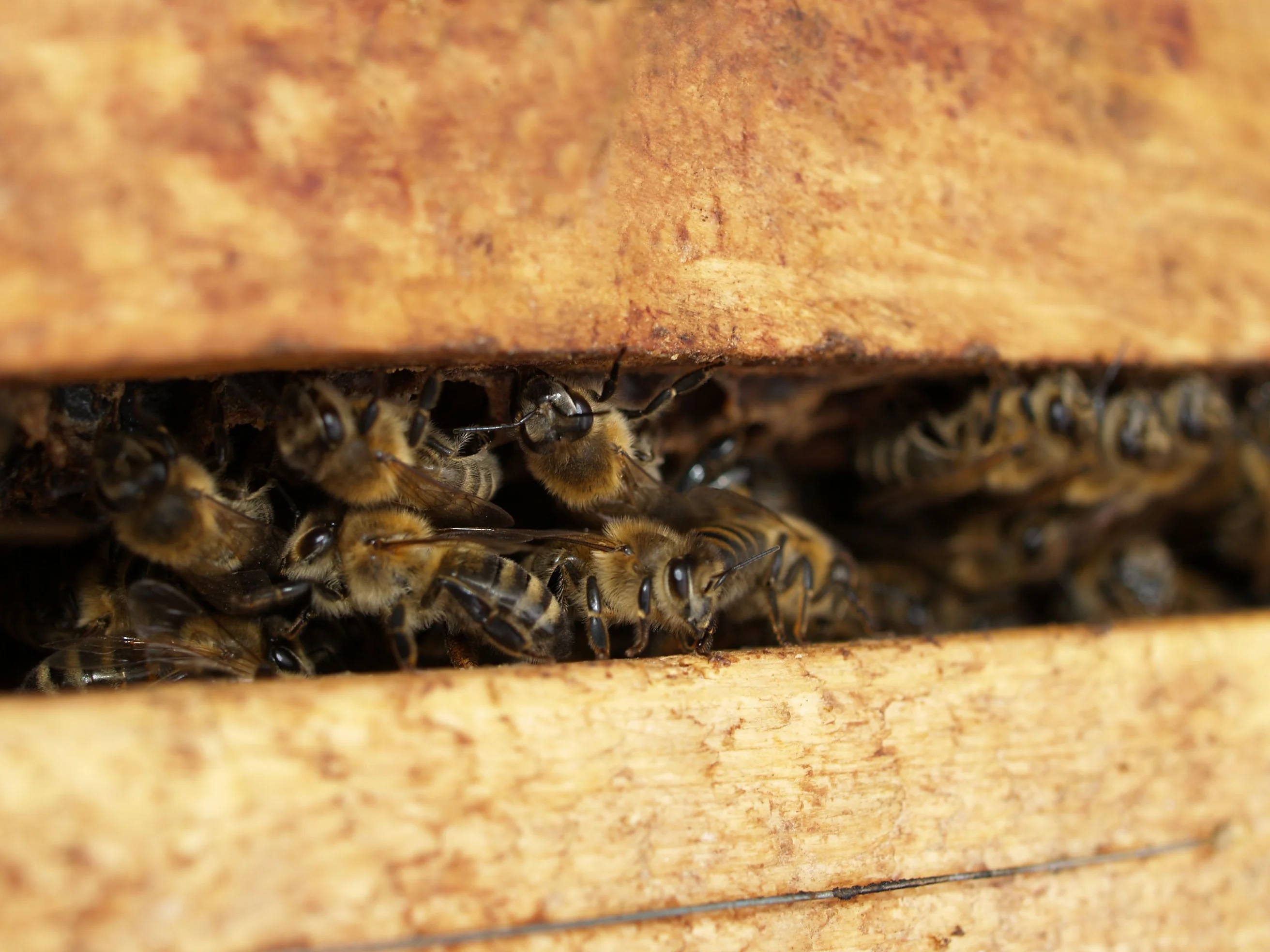
Tireless
To produce 1 kilogram of honey, bees must visit a total of 1 million flowers. This requires 50,000 individual flights.
Dear Reader
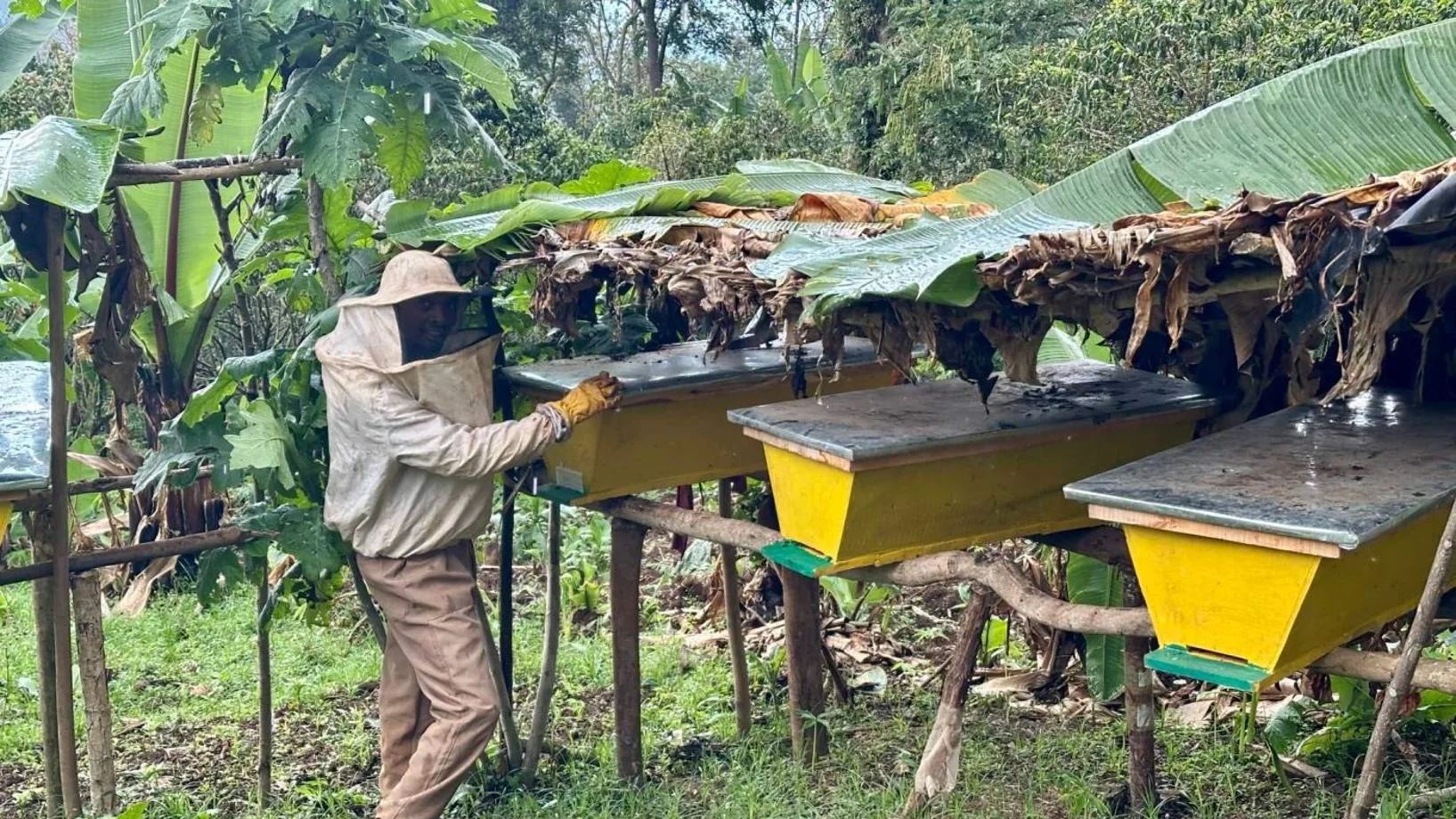
“Bees and sheep feed their master while he sleeps,” says an old proverb. Of course, it’s not quite that simple. But for poor families in Ethiopia in particular, beekeeping can be a lucrative source of income. Bees don’t need their own land, and while they’re gathering nectar, there’s time for other activities.
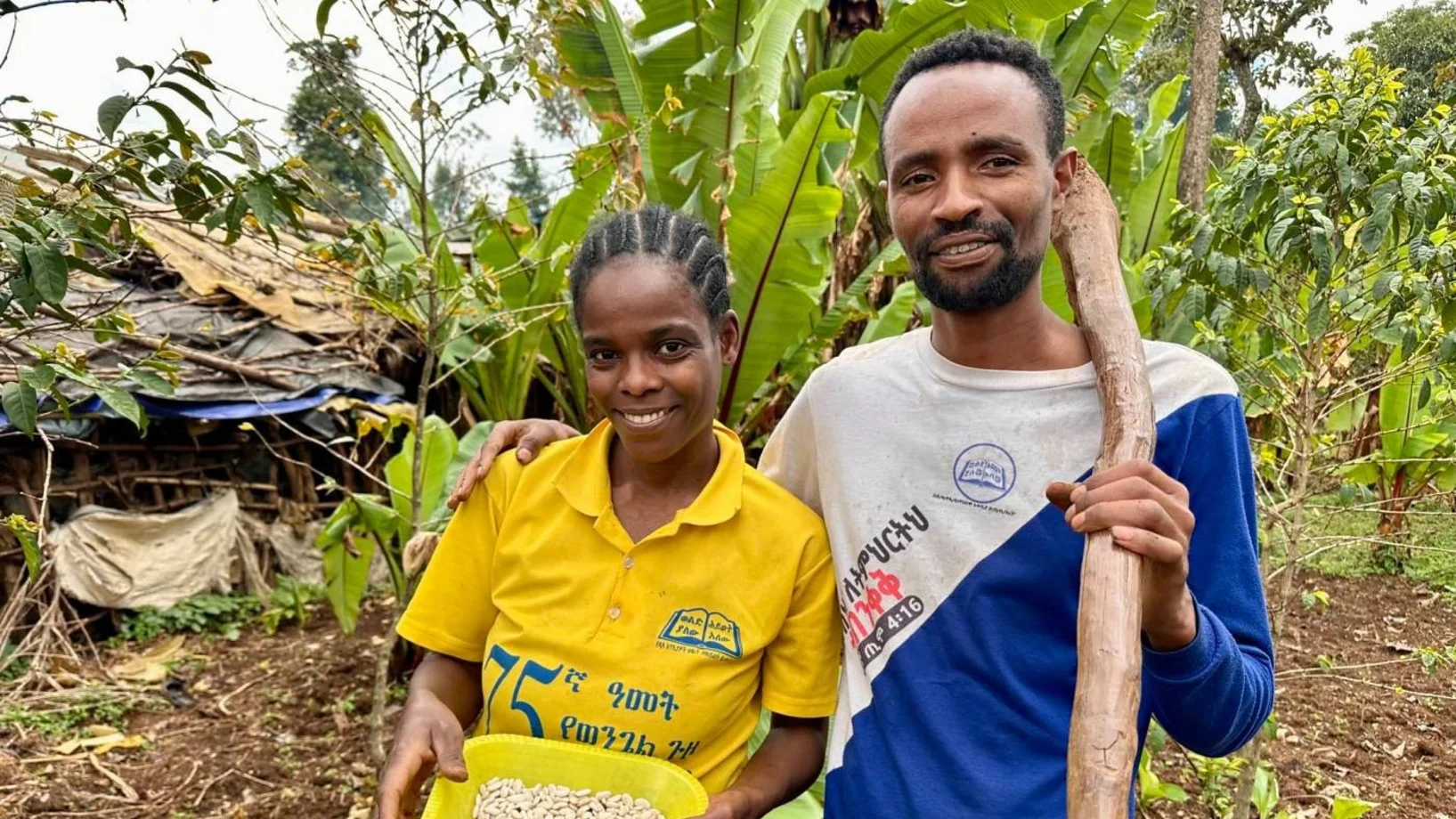
Recognizing such opportunities and working with families to take advantage of them is part of our work. Providing them with better beehives and teaching them the necessary skills is just one example. We also show farming families how they can increase their harvests on their limited land by using row planting or growing mixed crops.
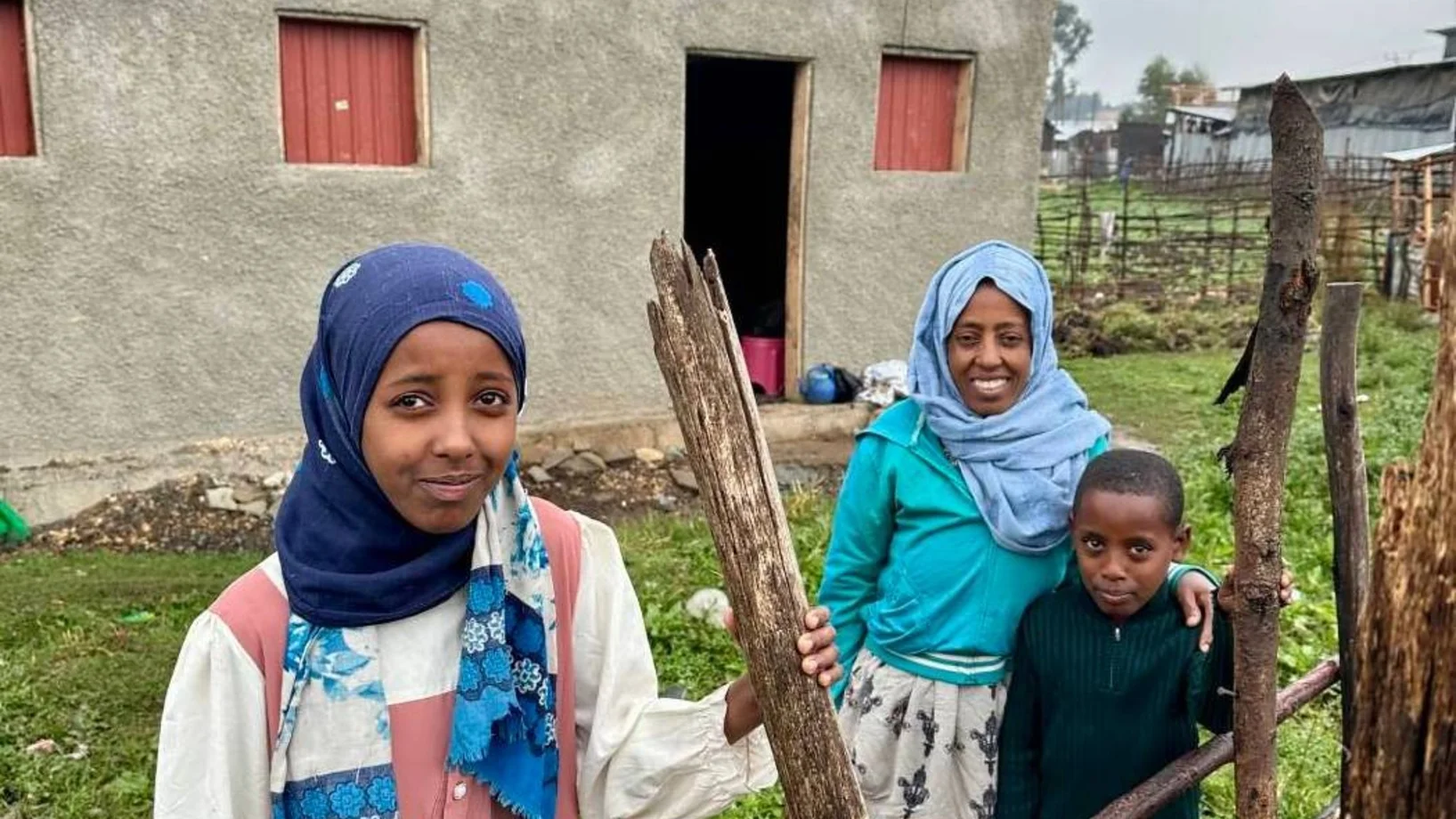
There are no magic formulas: A family in an urban slum needs different kinds of start-up assistance than one in a rural forest garden.
Our local experts are on the ground every day. They know the families, analyze their situations together with them, and find solutions tailored to their specific needs.
Your donation makes this work possible – right where the people are. This allows us to use your support where it makes a real difference.
Thank you very much!
Yours,

Happy New Year!
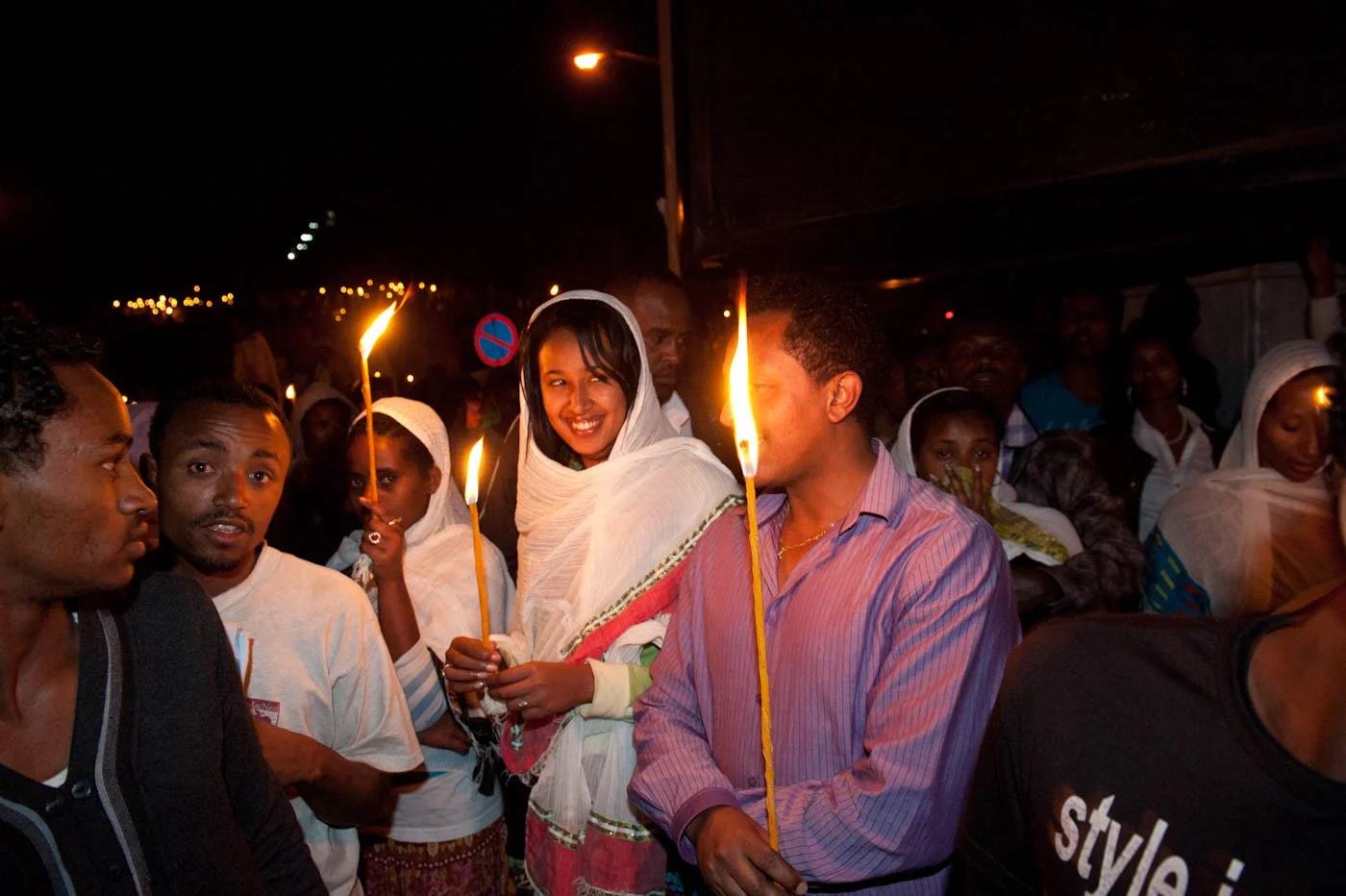
In Ethiopia, the year is now written as 2019: “Melkam Addis Amet!” (“Happy New Year”) – these were the words people used to greet one another on September 11: The country has its own calendar, which lags behind our Gregorian calendar by seven years and eight months. As always, the celebration fell at the end of the rainy season; in many places, a bright yellow carpet blanketed the mountains and valleys: The “Meskel flowers” are the symbol of the New Year in Ethiopia – and also a feast for the bees.
Sticks, Stings, Falls

Now the harvest is in the bag …

… and the future looks bright
Worku Alemu owns only a tiny plot of land. To make money, the 35-year-old father repaired umbrellas at markets – using just one tool: a simple pair of pliers. He earned a maximum of 50 birr (equivalent to 25 swiss rappen) a day doing this. Now he’s relying on the new beehives from Menschen für Menschen. His first harvest from just one of the hives filled four buckets – about 20 kilograms. Worku can sell a single bucket for 3,000 birr (15 swiss francs).

A little wine, honey?
Like most Ethiopian beekeepers, Worku sells raw honey, a mixture of honey and honeycomb. No elaborate separation is necessary: one major customer is the women who produce Tej, Ethiopia’s traditional national drink – raw honey is mixed with water and fermented. Leaves and stems from the native Gesho shrub give it its characteristic tart flavor. Wax and other solid components are filtered out later. The honey wine is served in bars and enjoyed at weddings and other celebrations.